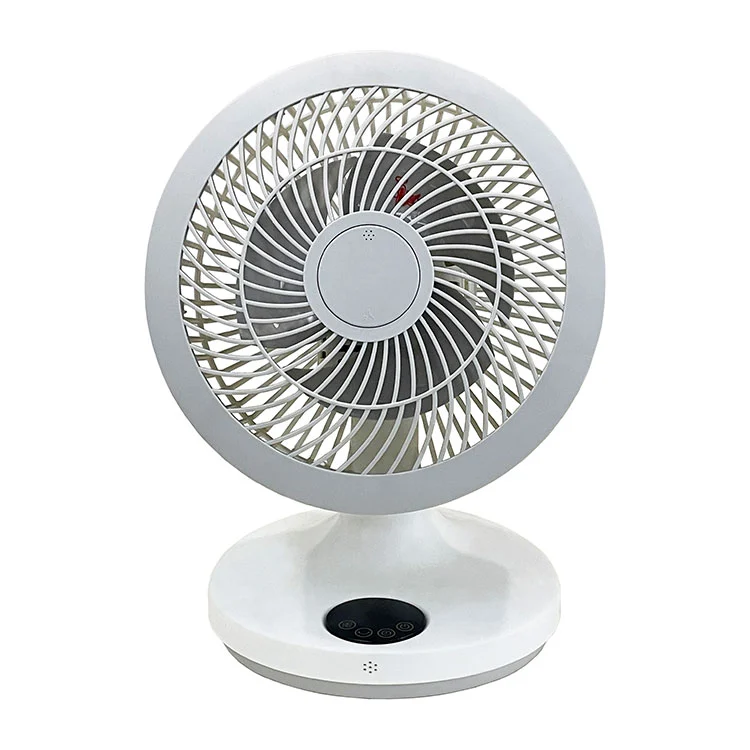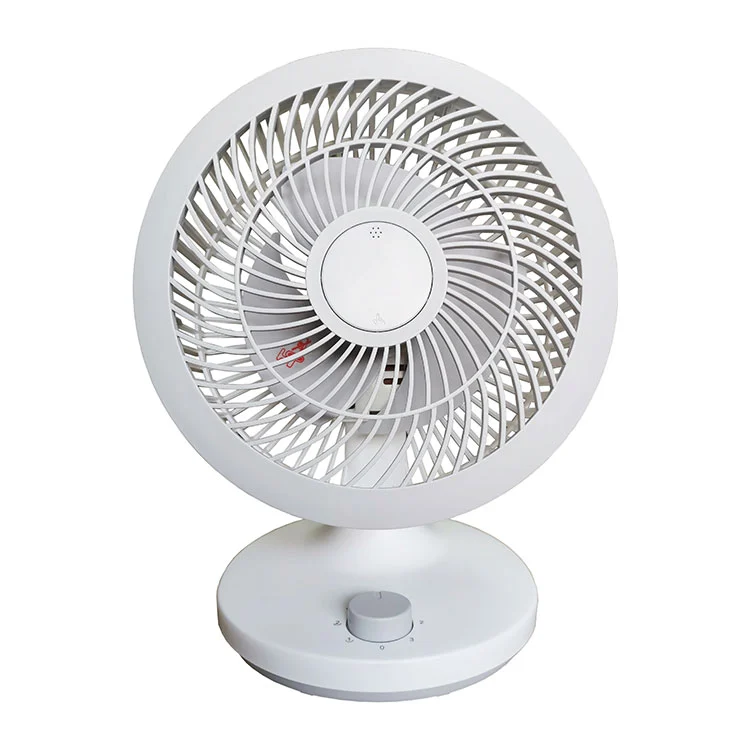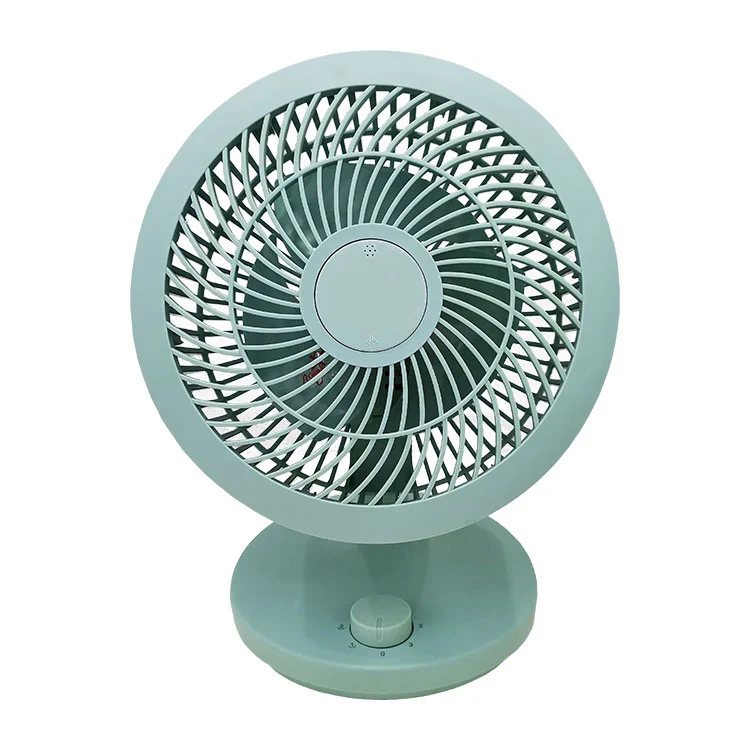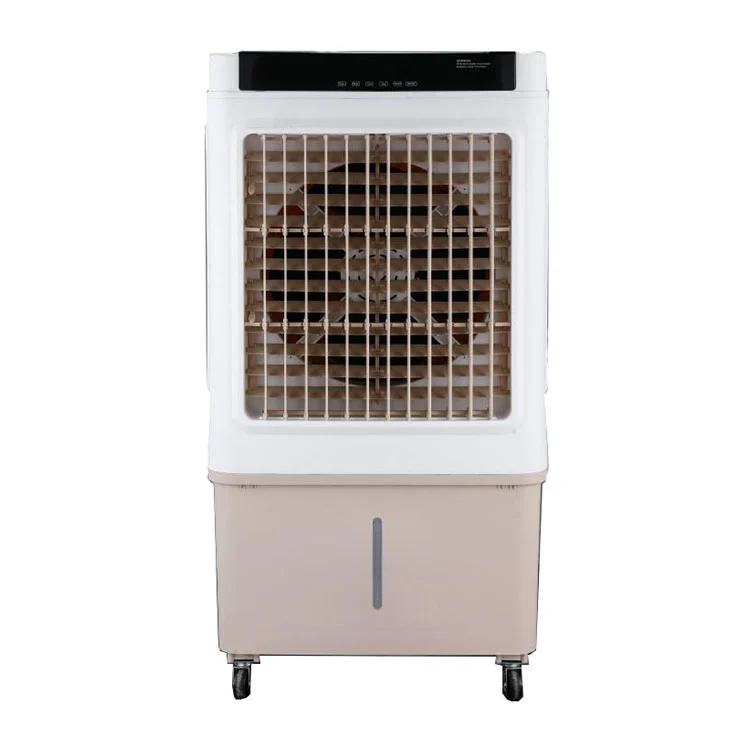

A High Power Wall Fan has become a preferred ventilation solution across industrial workshops, commercial spaces, warehouses, retail stores, gyms, agricultural facilities, and large residential areas where strong, directed airflow is essential.
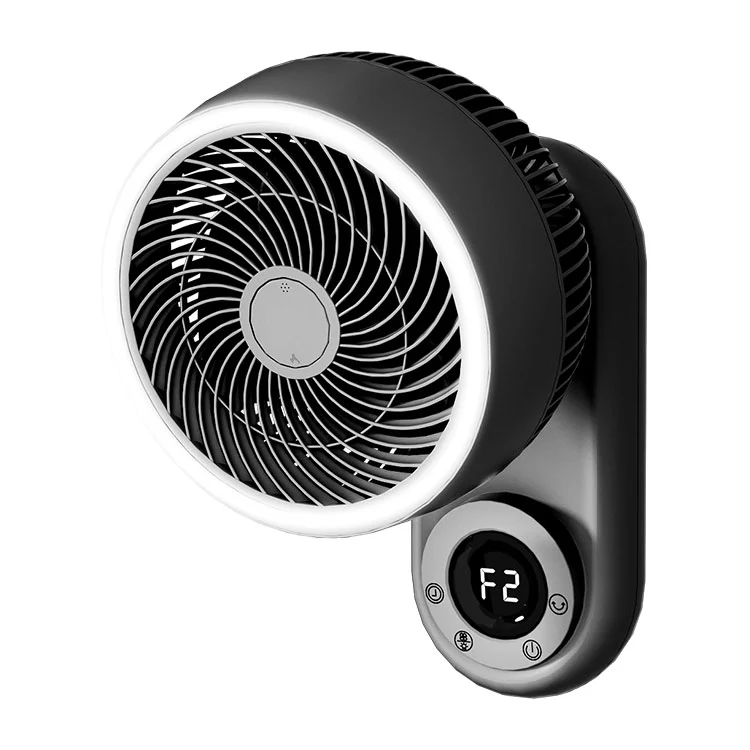
High Power Wall Fans are engineered for environments that demand strong, continuous airflow without occupying floor space. Compared with traditional standing fans or ceiling fans, wall-mounted high-power units deliver a targeted and concentrated air throw, making them ideal for cooling large or congested indoor areas.
To support professional selection, below is a technical overview of key parameters commonly found in advanced High Power Wall Fan models:
| Specification Category | Details / Typical Parameters |
|---|---|
| Voltage & Frequency | 110–240V / 50–60Hz |
| Power Output | 120W – 450W depending on model |
| Blade Diameter | 16", 18", 20", 24" |
| Motor Type | Copper core motor for durability & thermal protection |
| Air Delivery | 6,000 – 12,000 m³/h |
| Fan Speed Levels | 3–5 adjustable speeds |
| Noise Level Range | 58–72 dB depending on blade size |
| Mounting Structure | Steel bracket, reinforced arm, safety lock |
| Housing Materials | Anti-corrosion metal, ABS, or alloy |
| Maintenance Requirements | Low maintenance, replaceable bearings and blades |
| Safety Features | Overheat protection, grille safety cover |
| Application Range | Industrial, commercial, agricultural, large residential |
These parameters highlight the key elements that determine airflow strength, cooling efficiency, and long-term reliability.
High Power Wall Fans are engineered with larger aerodynamic blades that create a broader and more forceful air stream, enabling them to push air farther than standard fans. When mounted at an elevated height, these fans significantly enhance ventilation by:
Breaking up stagnant air zones
Reducing humidity accumulation
Lowering perceived temperature
Supporting HVAC systems by improving air distribution
Preventing the buildup of dust, smoke, and odors
Since these fans combine strong motors with efficient blade design, they deliver cooling performance that can support large environments without requiring excessive energy consumption.
A High Power Wall Fan is valued for several reasons:
Space-saving installation: Wall-mounted design frees up floor area and allows more flexible layout planning.
High-velocity airflow: Ensures rapid cooling and better comfort even in large rooms.
Energy-efficient operation: Consumes less electricity than many air-conditioners or industrial cooling units.
Durability: Built with high-strength materials, capable of long hours of operation.
Directional airflow control: Adjustable tilt and oscillation allow air to reach precise areas.
Long service life: Copper motors and reinforced brackets ensure stability under continuous use.
Choosing the right fan involves analyzing airflow needs, room size, operational intensity, noise tolerance, and installation conditions. This section explores deeper questions relevant to industrial facility managers, small business owners, and home users.
Air delivery (m³/h) determines whether the fan will effectively cool the intended area. Larger spaces require fans with higher airflow output and wider blade diameters.
A copper-core motor ensures higher heat resistance and long-term durability, especially important for industrial environments that require 8–12 hours of continuous operation.
Aerodynamic metal or ABS blades are designed to move large volumes of air with minimal resistance, reducing noise and improving efficiency.
A high-quality wall bracket is essential for stability. Angle adaptability allows users to direct cooling toward machines, workstations, or crowded zones.
A strong yet energy-efficient fan lowers long-term operating costs. Comparing wattage against air delivery provides clarity on performance efficiency.
While high-power units naturally produce more noise, proper blade balancing and motor design help maintain acceptable decibel levels for commercial settings.
| Category | High Power Wall Fan | Ceiling Fan | Air Conditioner |
|---|---|---|---|
| Installation | Wall-mounted | Ceiling-mounted | Complex indoor/outdoor installation |
| Airflow Direction | Highly targeted | Broad but soft | Conditioned air, not free airflow |
| Energy Consumption | Very low | Low | High |
| Best For | Industrial/commercial | Residential | Climate-controlled environments |
| Maintenance | Simple | Simple | High |
The comparison shows why High Power Wall Fans remain a preferred choice for heavy-duty ventilation where cost efficiency and strong airflow are priorities.
The demand for high-efficiency ventilation systems is increasing due to energy-saving requirements, workplace safety regulations, and growing industrialization. Several emerging trends are shaping the future of High Power Wall Fans:
Wi-Fi and app-controlled fans are becoming more popular, allowing remote speed adjustment, scheduling, and energy monitoring.
Brushless DC motors (BLDC) are expected to become mainstream due to:
Higher efficiency
Lower noise
Longer lifespan
Reduced heat generation
Manufacturers will design fans that comply with stricter global energy efficiency guidelines, reducing long-term operating costs for businesses.
Future blade designs will incorporate improved aerodynamic modeling to deliver stronger airflow with lower noise and energy usage.
Rust-resistant alloys, reinforced ABS, and fire-resistant materials will become standard to meet safety demands in factories and commercial environments.
Advanced oscillation systems will provide a wider coverage area, reducing the number of fans needed in large spaces.
These innovations indicate that High Power Wall Fans will continue to grow in relevance as practical alternatives to expensive cooling systems.
A: By producing strong airflow using a relatively low-power motor, High Power Wall Fans lower the need for excessive air-conditioning use. They circulate air efficiently, reducing heat concentration from machinery, workstations, and occupied areas. Their targeted cooling ability minimizes wasted airflow, allowing businesses to operate with lower electricity costs without sacrificing comfort.
A: Most industrial users mount High Power Wall Fans at a height of 2.2–3 meters above the floor. This positioning ensures that the fan can project airflow across an extended distance while avoiding obstruction from equipment or shelving. When installed too low, airflow becomes too concentrated; installed too high, airflow weakens before reaching the target area. Adjusting the tilt angle after installation further improves cooling coverage.
High Power Wall Fans deliver strong airflow, long-distance air throw, and cost-efficient performance for both commercial and industrial applications. Their advantages include durability, energy-saving benefits, flexible direction control, and ease of installation, making them an essential component in modern ventilation planning. As technology continues to evolve—integrating smart controls, improved motor efficiency, and aerodynamic blade engineering—these fans will remain indispensable tools for maintaining comfortable, safe, and productive environments.
Jianhui, a manufacturer committed to high-quality ventilation solutions, provides durable, high-performance High Power Wall Fans suitable for diverse global markets. With a focus on strong motors, precision engineering, and reliable materials, Jianhui delivers products that meet the demands of modern industrial and commercial environments. For inquiries, product specifications, or custom solutions, contact us to explore how Jianhui can support your cooling and ventilation needs.