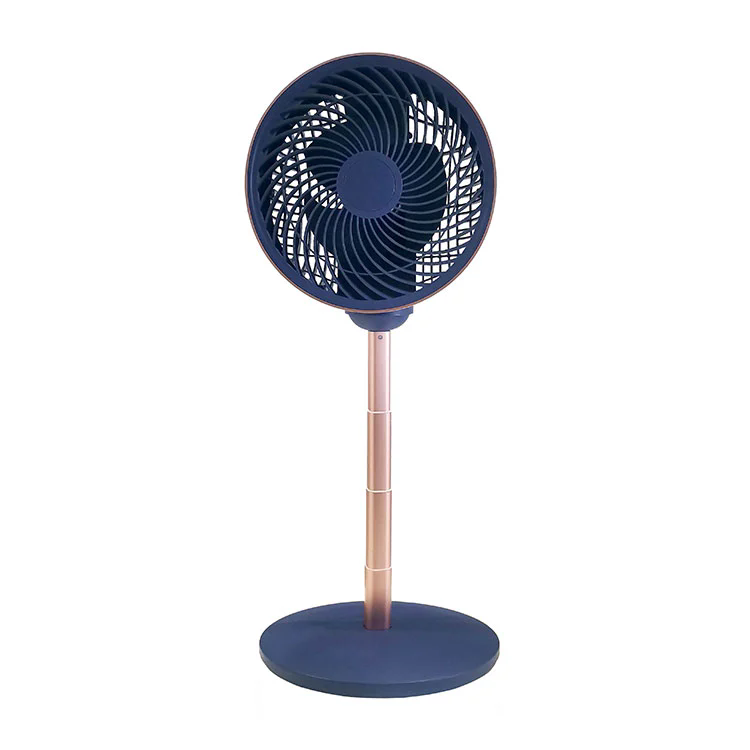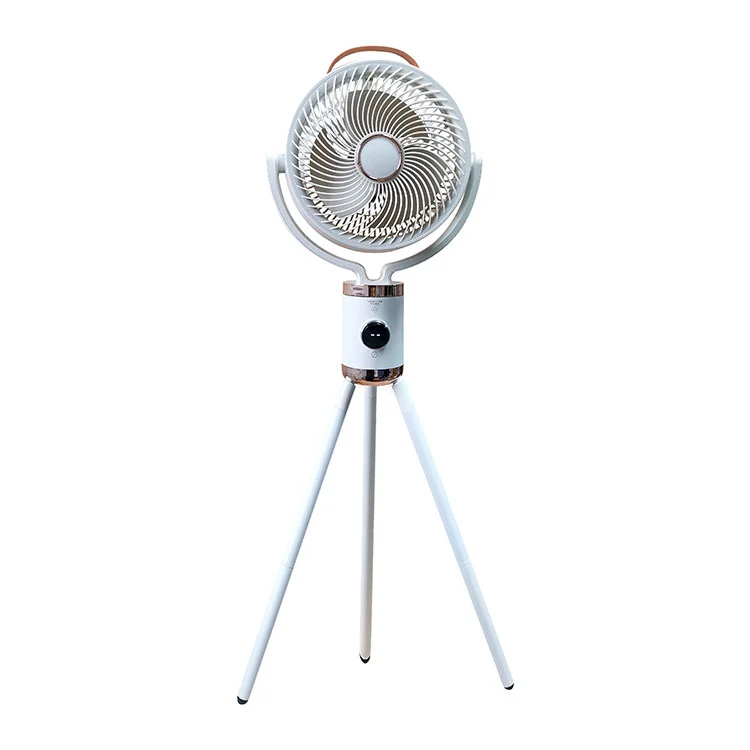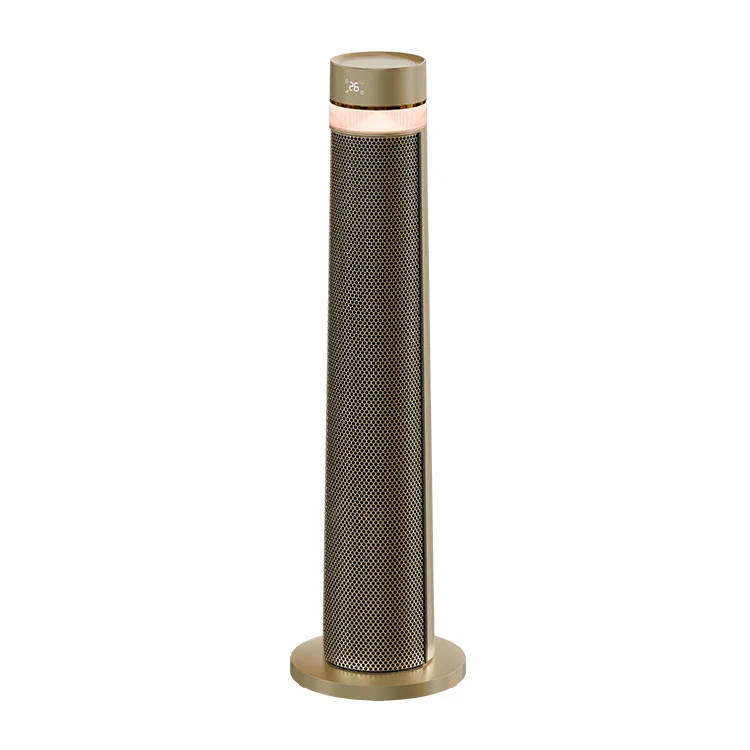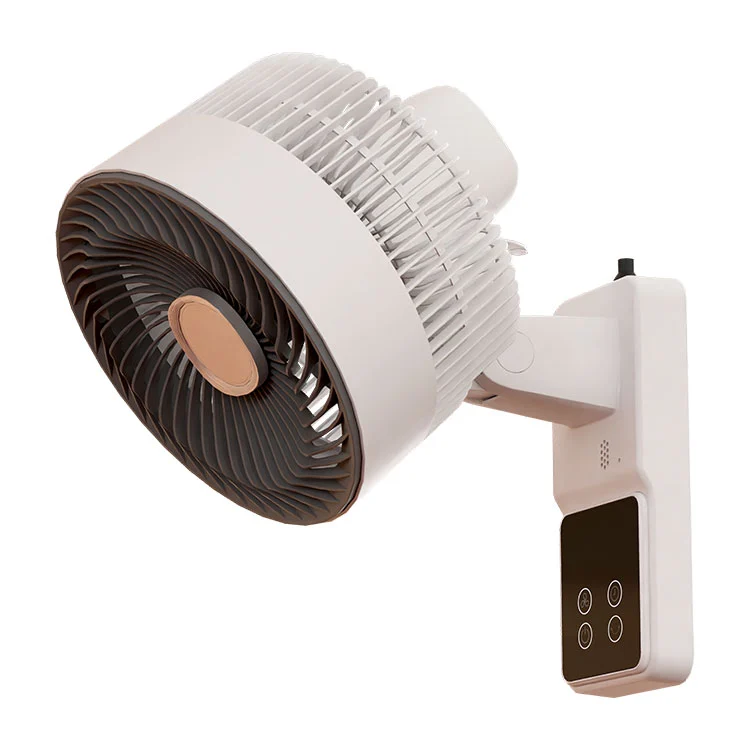

Article Summary: A Mobile Evaporative Ice Crystal Water Cooled Air Cooler combines airflow, water evaporation and optional ice cooling to create a more comfortable stream of air without relying on the refrigeration cycle used by conventional air conditioners. This guide explains the cooling principle, internal components, practical operating conditions, ice-crystal function, placement, maintenance, energy considerations and common buyer questions. It also explains where this type of cooler can be useful and where expectations should be adjusted.

How Evaporative Cooling Creates a Cooler Airflow
The basic principle behind an evaporative air cooler is straightforward: warm air is moved across a water-wetted cooling medium, and part of the water evaporates into the airflow. During evaporation, water absorbs heat from its surroundings. The resulting air stream can therefore feel noticeably cooler than the incoming air.
This is fundamentally different from refrigerated air conditioning. A conventional air conditioner uses a refrigeration cycle, compressor and refrigerant to remove heat from the air. An evaporative cooler instead uses water, airflow and evaporation. Because of this operating principle, it is particularly useful when the objective is localized cooling, personal comfort or improved airflow rather than replacing a complete air-conditioning system. :contentReference
How the Mobile Cooler Works Step by Step
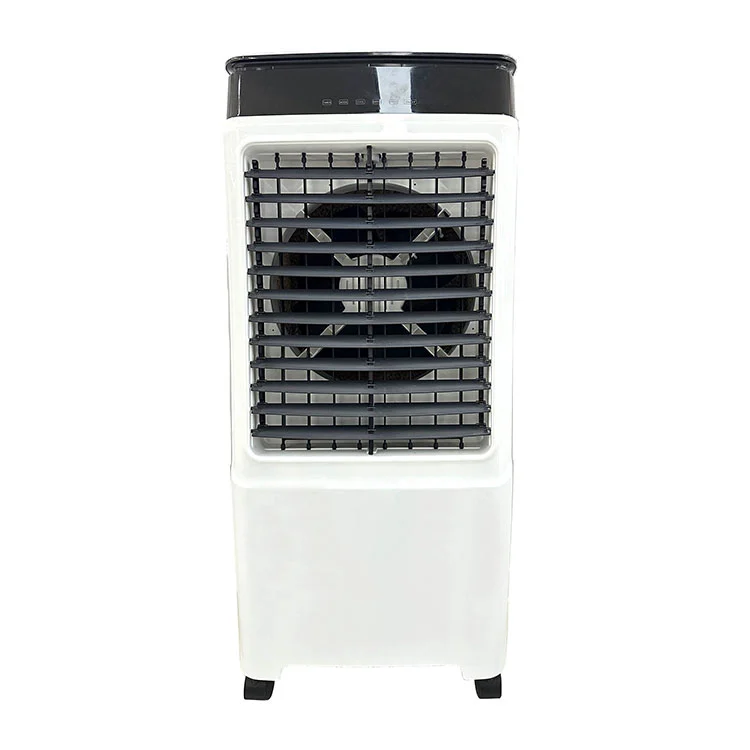
A Mobile Evaporative Ice Crystal Water Cooled Air Cooler normally combines a fan, water reservoir, water circulation system, cooling medium and adjustable air outlet. These components work together continuously while the cooling function is operating.
- Warm air enters the unit. The internal fan draws surrounding air into the cooler through the air intake.
- Water reaches the cooling medium. Water from the reservoir is distributed across the cooling pad or evaporative surface so that the medium remains sufficiently wet.
- Air passes through the wet surface. The fan forces incoming air through the water-wetted cooling area, increasing contact between the air and water.
- Evaporation absorbs heat. Some water changes from liquid to vapor, taking thermal energy from the air during the process.
- Cooler air is discharged. The fan pushes the resulting air stream through the front outlet toward the user or target area.
This continuous air-and-water cycle is why the cooler needs both adequate airflow and sufficient water. If the water supply is empty, the evaporative function cannot operate normally, while restricted airflow can reduce the effectiveness of the evaporation process. :contentReference
How Ice Crystals Affect the Cooling Experience
The addition of ice crystals or frozen cooling packs is designed to make the water entering the cooling process colder. This can provide a cooler initial airflow, especially when the surrounding environment is very warm.
It is important, however, to understand the role of ice correctly. Ice does not transform an evaporative cooler into a compressor-based air conditioner. The fundamental cooling mechanism remains airflow combined with water evaporation. The ice primarily changes the starting temperature of the water and can enhance the sensation of cool air under suitable conditions.
For users who need immediate personal relief during hot weather, the combination of chilled water, evaporation and directional airflow can be practical. For larger spaces, actual performance still depends on airflow volume, ambient temperature, relative humidity, room layout and the capacity of the unit.
How the Main Components Work Together
Understanding the internal structure helps buyers evaluate a cooler more realistically. Although compact models vary in construction, the following components are commonly associated with water-based evaporative cooling.
| Component | Main Function | Why It Matters |
|---|---|---|
| Fan and Motor | Moves air through the cooling system and delivers it to the outlet. | Determines airflow strength, circulation and perceived cooling. |
| Water Tank | Stores the water required for evaporative operation. | Affects operating time between refills. |
| Water Pump | Circulates water toward the cooling medium. | Helps maintain consistent wetting of the evaporative surface. |
| Cooling Pad / Medium | Provides a large wet surface for air-water contact. | Supports evaporation and therefore the cooling process. |
| Ice-Crystal Compartment | Allows frozen cooling material to reduce water temperature. | Can provide a cooler airflow sensation during hot conditions. |
| Air Outlet / Louvers | Directs cooled airflow toward the desired area. | Important for personal cooling and efficient air distribution. |
Portable evaporative coolers commonly use a fan, water pump, reservoir and cooling pads as the basic working system. The design may be simplified in compact personal models or enlarged in higher-airflow units. :contentReference
How Room Conditions Affect Performance
One of the most important factors for evaporative cooling is relative humidity. Evaporation becomes less effective as the surrounding air approaches saturation. In hot and dry conditions, the air has greater capacity to accept additional water vapor, so the cooling process can be more noticeable. In already humid environments, the cooling effect can become less pronounced.
This is why evaporative coolers are often associated with dry climates. Manufacturer guidance for evaporative cooling systems commonly recommends maintaining airflow through the space rather than operating the unit in a completely sealed room. :contentReference{index=3}
Three environmental factors deserve attention:
- Humidity: lower humidity generally provides more favorable conditions for evaporation.
- Air movement: adequate ventilation helps remove humidified air and supports continued evaporation.
- Temperature: higher ambient temperatures can make the cooling effect more valuable, although actual performance varies with humidity and airflow.
In a humid coastal climate, users should therefore focus on directional personal cooling and ventilation rather than expecting the same results achieved in a hot, dry environment.
How to Position the Cooler for Better Airflow
Positioning can make a significant difference to perceived comfort. Because an evaporative cooler delivers a localized stream of air, placing it close enough to the target area while maintaining unobstructed intake and outlet airflow is usually more useful than hiding the unit in a corner.
- Keep the air intake unobstructed.
- Do not cover the front or rear ventilation areas.
- Place the unit on a stable and level surface.
- Direct the outlet toward the area where cooling is needed.
- Allow fresh air to enter and humidified air to leave the space.
- Avoid placing the unit where spilled water could damage electrical equipment.
In rooms, workshops or temporary work areas, cross-ventilation can help prevent humidity from building up excessively. Guidance for portable evaporative coolers similarly recommends airflow through doors or windows instead of using the equipment in a sealed space. :contentReference
How to Maintain the Water and Cooling System
Water-based cooling equipment needs more attention to water cleanliness than an ordinary fan. Regular maintenance helps reduce unpleasant odors, mineral buildup and contamination inside the water system.
A practical maintenance routine includes:
- Turn off and unplug the cooler before cleaning internal water-contact areas.
- Empty standing water when the unit will not be used for an extended period.
- Clean the water tank according to the manufacturer's instructions.
- Inspect the cooling medium for dust, mineral deposits or visible contamination.
- Keep the air intake and ventilation grilles free from accumulated dust.
- Use clean water appropriate for the product's operating instructions.
- Check the pump and water circulation system if water is no longer reaching the cooling medium evenly.
Maintenance requirements vary according to water quality, frequency of use and product construction. Users in areas with hard water may need to pay particular attention to mineral deposits.
How Evaporative Cooling Differs from Air Conditioning
Buyers sometimes compare a water-cooled air cooler directly with an air conditioner because both are marketed for hot-weather comfort. Their operating principles and appropriate applications are different, so understanding the distinction is essential.
| Feature | Evaporative Air Cooler | Conventional Air Conditioner |
|---|---|---|
| Cooling Principle | Water evaporation and airflow | Refrigeration cycle |
| Compressor | Normally not required | Normally required |
| Refrigerant | Not required for the evaporative process | Used in the refrigeration system |
| Humidity Effect | Direct evaporative models add moisture to the air | Typically removes moisture during cooling |
| Best Environment | Hot, dry or well-ventilated conditions | Broad range of indoor conditions |
| Typical Use | Personal, spot and localized cooling | Room or building temperature control |
| Installation | Generally simple and portable | Depends on system type and installation requirements |
Portable evaporative coolers are therefore better understood as a different category of cooling equipment rather than a direct one-for-one replacement for every air-conditioning application. :contentReference
Where a Mobile Water-Cooled Air Cooler Can Be Useful
Portability is one of the strongest practical advantages of a mobile cooling design. Instead of permanently conditioning a complete building, the unit can be moved toward the location where people need airflow.
- Bedrooms: useful for personal nighttime airflow when conditions are suitable.
- Home offices: can provide direct cooling around a desk without conditioning the entire home.
- Workshops and garages: useful where installation of fixed air conditioning is inconvenient.
- Small commercial areas: can provide localized comfort around workstations or service counters.
- Temporary spaces: portability allows the cooler to follow changing cooling requirements.
- Outdoor-adjacent areas: can provide directional airflow in suitably ventilated semi-outdoor locations.
Portable air coolers are commonly positioned as solutions for bedrooms, offices, garages, workshops and other areas where mobility and localized airflow are valuable. :contentReference
How to Evaluate a Mobile Evaporative Cooler Before Purchase
The product name alone does not tell a buyer whether a cooler will meet a particular application. A better evaluation starts with the actual operating environment and then moves to the product's specifications.
| What to Check | Questions to Ask |
|---|---|
| Airflow | Is the airflow suitable for personal cooling or the intended space? |
| Water Tank | How much water does it hold and how frequently will refilling be required? |
| Ice Function | Does the design support ice crystals, frozen packs or another cooling method? |
| Noise | Is the operating sound appropriate for bedrooms, offices or other quiet areas? |
| Air Direction | Can the airflow angle or louver direction be adjusted? |
| Cleaning | Can the water tank, cooling medium and intake areas be accessed for maintenance? |
| Portability | Are the size, weight, handle and wheels suitable for the intended use? |
For distributors, importers and project buyers, additional factors such as rated power, voltage, plug configuration, packaging, spare parts availability, sample policy, production capacity and customization capability may also need to be confirmed before placing an order.
Frequently Asked Questions
No. The evaporative cooling function relies on water evaporation and airflow rather than the refrigeration cycle used by conventional air conditioners. Ice or frozen cooling material may be used to lower the water temperature, but this does not turn the unit into a refrigerant-based air conditioner. :contentReference
Ice can lower the temperature of the water entering the cooling process and may make the discharged airflow feel cooler. Its contribution depends on the unit design, ambient temperature, airflow and humidity.
It can still provide airflow and some cooling, but the evaporative effect generally becomes less effective as humidity rises. Ventilation is especially important because direct evaporative cooling adds moisture to the air. :contentReference
It depends on the application. An evaporative cooler is designed around localized cooling and water evaporation, while an air conditioner uses refrigeration to control air temperature and, typically, humidity. For whole-room or whole-building temperature control, the required equipment should be selected according to the site's cooling load.
In many applications, yes. Fresh-air movement allows moisture to leave the space and supports continued evaporation. Completely sealing the room can reduce the effectiveness of direct evaporative cooling as humidity increases. :contentReference
The exact interval depends on water quality and usage frequency. Regular inspection and cleaning are recommended, particularly when the cooler is used frequently or when mineral deposits and odors become noticeable. Always follow the product manufacturer's maintenance instructions.
Buyers should consider requesting specifications for airflow, rated power, voltage, tank capacity, cooling method, noise level, dimensions, materials, control functions, packaging, sample availability, production lead time and customization options. For private-label or OEM projects, artwork, logo placement, packaging requirements and compliance documentation should also be confirmed.
Final Considerations for Practical Cooling
A Mobile Evaporative Ice Crystal Water Cooled Air Cooler works around a simple but useful combination of water, evaporation and airflow. The fan moves warm air through a wet cooling medium, evaporation absorbs heat, and the resulting air stream is directed toward the user. Adding ice crystals can further cool the water and improve the immediate cooling sensation, but the fundamental operating principle remains evaporative cooling.
The most important consideration is matching the cooler to the environment. Hot, dry and well-ventilated conditions generally provide more favorable evaporation, while high humidity can limit the cooling effect. Correct placement, clean water, regular maintenance and realistic expectations can all contribute to a better user experience. :contentReference
For businesses evaluating portable cooling products for distribution, OEM projects or customized applications, product construction and operating specifications are just as important as appearance. Cixi Jianhui Electrical Technology Co., Ltd. can provide further product information for buyers who need to review specifications, customization requirements and supply details.
Looking for a Mobile Cooling Solution?
If you are sourcing a Mobile Evaporative Ice Crystal Water Cooled Air Cooler for wholesale, distribution, OEM or customized projects, contact us to discuss your required specifications, product configuration, packaging and purchasing requirements.
Contact Us for product details, quotation and cooperation information.