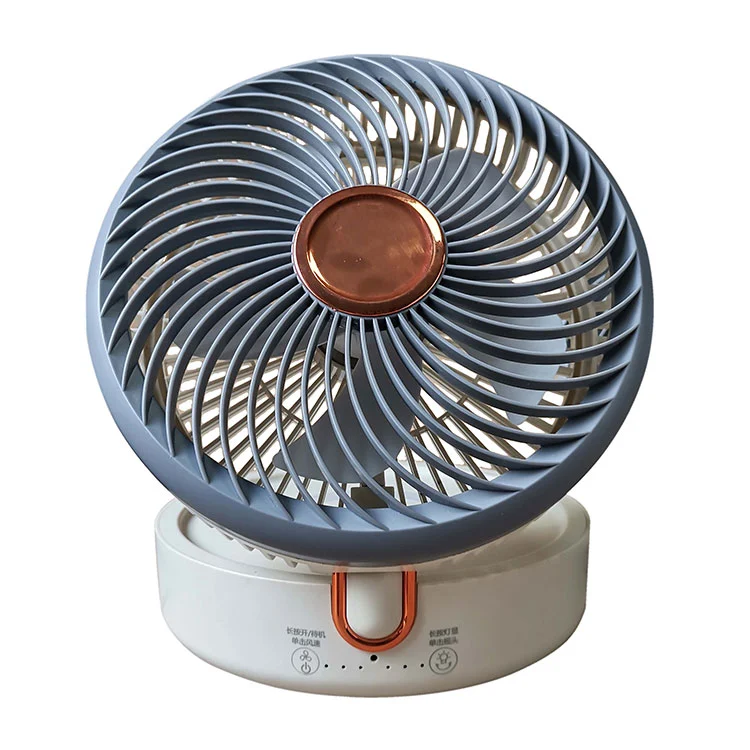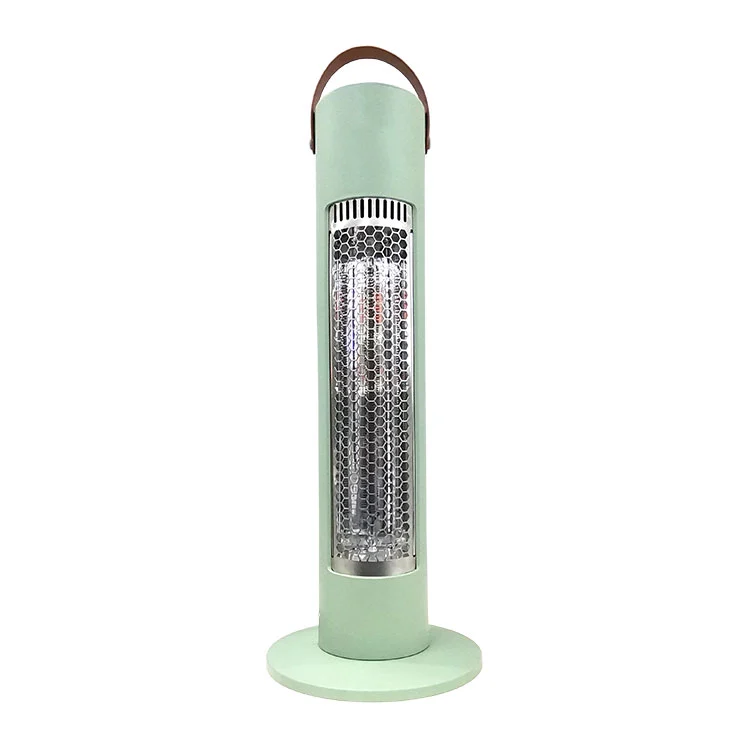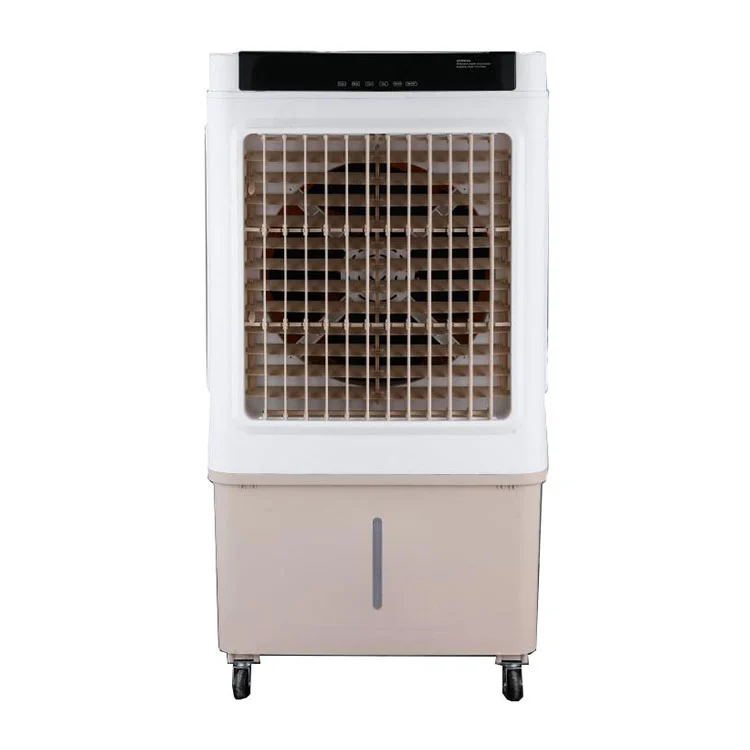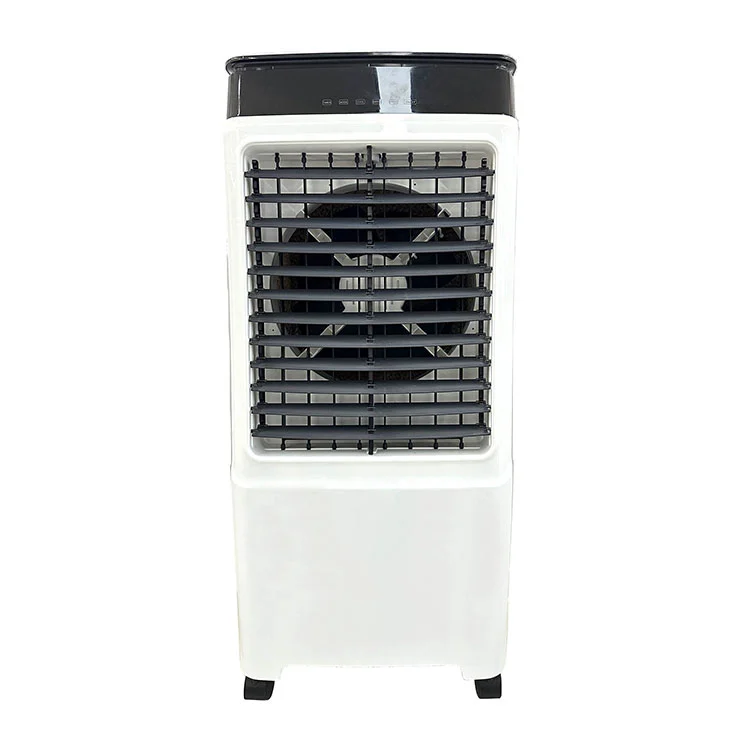

An energy efficient wall fan is a practical cooling solution for homes, offices, restaurants, workshops, and other spaces where floor area is limited. However, choosing the right model involves more than comparing wattage or looking for an energy-saving label. Airflow performance, motor efficiency, blade design, operating noise, speed settings, oscillation, installation height, and maintenance requirements all influence the overall user experience. This guide explains how to evaluate wall fan efficiency, compare important product specifications, reduce unnecessary electricity consumption, and select a suitable supplier. It also provides practical purchasing advice for importers, wholesalers, retailers, and businesses sourcing wall-mounted ventilation products.

An energy efficient wall fan is a wall-mounted electric fan designed to deliver useful airflow while managing electricity consumption. Unlike pedestal or table fans, it is installed on a wall, keeping the floor clear and allowing airflow to be directed toward occupied areas.
Wall fans are commonly used in bedrooms, kitchens, offices, retail stores, restaurants, classrooms, workshops, and other spaces that require localized air circulation. Their elevated installation position can help distribute air across a room without occupying valuable furniture or working space.
Energy efficiency is not determined by electrical power alone. A fan with a low wattage rating may consume less electricity, but it may also provide insufficient airflow for the intended room. A more useful evaluation considers the relationship between airflow output and electrical input, together with noise, speed control, and operating conditions.
For consumers, the goal is comfortable airflow without unnecessary electricity use. For importers and distributors, the goal is to source a product that balances performance, price, reliability, and market requirements.
A wall fan improves perceived comfort by moving air across the body and supporting indoor air circulation. It does not normally lower the actual room temperature in the way an air conditioner does. Instead, moving air helps increase heat loss from the skin, making people feel cooler.
When airflow reaches an occupied area, it can improve comfort during warm conditions. Proper positioning allows the fan to deliver air where it is needed rather than directing it toward empty corners or blocked surfaces.
Oscillation moves the airflow direction from side to side, helping distribute air across a wider area. This can be particularly useful in shared spaces where people are seated or working in different positions. The actual coverage depends on the fan's airflow, oscillation angle, room layout, and installation position.
A wall fan can help circulate air in a room that already uses an air conditioner. Better air movement may improve perceived comfort and help occupants avoid unnecessarily low thermostat settings. However, energy savings depend on the specific room, equipment, and usage habits. The fan itself also consumes electricity.
In areas where whole-room air conditioning is unnecessary, a wall fan can provide targeted airflow with a relatively simple installation. This makes it a practical option for kitchens, small offices, waiting areas, and other locations where users need direct air movement.
Several technical and structural features influence how efficiently a wall fan converts electrical energy into useful airflow. Buyers should evaluate the complete product rather than relying on one specification.
The motor is one of the most important components of an electric fan. Its design affects power consumption, operating stability, heat generation, and noise. A well-matched motor and blade assembly can provide appropriate airflow without requiring unnecessary electrical input.
When comparing models, check the motor type, rated power, voltage, frequency, operating speed, and relevant test data. Do not assume that every model using a particular motor technology will automatically be more efficient.
Fan blades determine how air is moved through the grille. Their shape, angle, diameter, and material influence airflow characteristics, noise, and motor load. A properly designed blade assembly can help deliver useful air movement while maintaining stable operation.
Different environments require different airflow levels. Multiple speed settings allow users to choose a suitable output instead of operating the fan at maximum speed all the time. Lower settings may reduce electricity consumption, although the actual power draw should be measured for each setting.
Automatic horizontal oscillation can distribute airflow across a wider section of a room. This feature is useful for shared spaces, but buyers should examine the oscillation range, movement stability, and noise during operation.
Remote controls improve convenience when a fan is mounted above normal reach. Timer functions, where available, can help users avoid leaving the fan operating unnecessarily. These features do not automatically guarantee energy savings, but they can support more controlled operation.
Some wall fan designs combine air circulation with lighting. This multifunctional approach can be useful in rooms where both functions are needed. Buyers should compare the lighting output, LED power consumption, independent controls, and total rated power of the complete product.
Different fan types serve different installation and cooling needs. The best option depends on available space, desired airflow direction, portability, and the number of people using the room.
| Fan Type | Main Advantage | Space Requirement | Typical Application |
|---|---|---|---|
| Wall Fan | Elevated airflow with floor space saved | Requires secure wall mounting | Kitchens, offices, shops, bedrooms |
| Table Fan | Portable and easy to reposition | Requires desk or table space | Personal workstations and bedside use |
| Pedestal Fan | Adjustable height and flexible positioning | Requires floor space | Living rooms, offices, temporary cooling |
| Ceiling Fan | Air circulation from an overhead position | Requires ceiling installation | Living areas and larger indoor spaces |
| Air Circulator | Designed to move air through a room | Depends on model and installation | Room circulation and ventilation support |
Wall fans are particularly attractive when floor space is limited or when airflow needs to be delivered from an elevated position. However, they are not automatically more energy-efficient than every other fan type. A fair comparison requires products tested under comparable conditions and selected for similar airflow requirements.
Room size is only one factor in selecting a wall fan. Ceiling height, furniture arrangement, heat sources, occupancy, and desired airflow direction also influence product suitability.
For residential spaces, prioritize comfortable airflow, manageable noise, easy speed adjustment, and a suitable oscillation function. A remote control can be particularly convenient when the fan is mounted above furniture or near the ceiling.
Kitchens may experience heat from cooking equipment and frequent changes in occupancy. A wall fan can support localized air movement without taking up countertop or floor space. Select an appropriate installation location away from direct water exposure, grease accumulation, and excessive heat.
Offices, shops, and reception areas often need consistent airflow across several occupied positions. Oscillation, operating noise, mounting height, and control convenience should be considered together.
Workshops may require stronger airflow, more durable construction, and easy access for cleaning. Buyers should check the operating environment, dust exposure, electrical protection, and the manufacturer's recommended installation conditions. Standard household wall fans should not be used in hazardous or industrial environments unless specifically rated for those conditions.
Before purchasing, identify the area to be served, the preferred airflow direction, the mounting position, and the number of people who need cooling. Request airflow performance information and installation recommendations rather than choosing a model solely by its appearance.
Understanding electricity consumption helps consumers and commercial buyers estimate long-term operating expenses. The calculation is straightforward when the fan's rated power and expected operating time are known.
Estimated Electricity Cost = Electricity Consumption (kWh) × Local Electricity Rate
For example, consider a hypothetical 40W wall fan operating for 8 hours per day over 30 days:
This is an illustrative calculation, not a specification for a particular wall fan. Actual consumption depends on the fan's measured power draw, selected speed, operating duration, and electricity tariff. A fan with multiple speed settings may use different amounts of power at different settings.
A lower-wattage fan may consume less electricity but may not deliver enough airflow for a particular space. Buyers should compare useful airflow against electrical input and consider the operating speed required to achieve the desired comfort level.
Switching off the fan when a room is unoccupied and using an available timer can help prevent unnecessary operation. These simple habits can make a measurable difference over extended periods.
Even a well-designed wall fan may perform poorly if it is installed in an unsuitable position. Correct installation helps deliver airflow where it is needed and supports safe, stable operation.
Install the fan at a height recommended by the manufacturer. The position should allow airflow to reach the occupied area without being blocked by shelves, cabinets, partitions, or other obstacles.
The wall and fixing hardware must support the product securely. Follow the installation instructions and use suitable anchors or mounting brackets for the wall material. An unstable installation can cause vibration, noise, and safety risks.
Position the fan so that it can move air through the area where people spend time. Avoid directing airflow into walls or large obstructions that reduce useful circulation.
Maintain the clearances specified by the manufacturer, particularly around the blades, grille, electrical connection, and nearby objects. Installation should be completed with the power disconnected. Electrical work should be performed by a qualified person where required.
Before installation or import, verify that the product's rated voltage and frequency match the destination market. Check plug type, electrical safety requirements, and applicable local regulations as well.
Dust accumulation, loose mounting components, and neglected mechanical parts can affect a fan's performance and operating noise. Regular maintenance helps keep the product in suitable working condition.
Dust can accumulate on the blades and grille over time. Disconnect the power before cleaning and follow the manufacturer's instructions for removing accessible parts. Use an appropriate soft cloth or brush and make sure all components are dry before reassembly.
Periodically check whether the mounting bracket and visible fixing points remain secure. If the fan begins to vibrate or produce unusual sounds, stop using it and arrange an inspection.
Changes in operating noise may indicate loose parts, blade imbalance, obstruction, or mechanical wear. Do not continue operating a fan that shows signs of damage or abnormal vibration.
Avoid spraying water directly onto the motor, control panel, or electrical connections. Never open electrical components unless qualified to do so. Follow the manufacturer's maintenance schedule and safety guidance.
For distributors and retailers, providing a clear instruction manual and maintenance guide can reduce avoidable customer complaints and support a better ownership experience.
For importers, wholesalers, retailers, and private-label brands, choosing a wall fan requires a broader evaluation than checking retail specifications. Product consistency, certification, packaging, order flexibility, and delivery arrangements all affect the commercial value of a purchase.
Confirm which safety and regulatory requirements apply in the destination market. Depending on the market and product configuration, buyers may need to review CE-related documentation, CB test reports, applicable electrical safety standards, EMC requirements, and RoHS documentation. Verify that documents cover the exact model and configuration being ordered. A certificate for a different product should not be assumed to cover the selected wall fan.
Request a production-representative sample before placing a large order. Evaluate airflow, noise, controls, oscillation, assembly quality, packaging, and installation instructions. Agree on a reference sample and written acceptance criteria for mass production.
Clarify minimum order quantity, pricing by volume, sample fees, customization costs, lead time, carton dimensions, shipping weight, spare parts availability, and warranty arrangements. Confirm the delivery terms and payment conditions in writing.
A dependable manufacturing partner should provide more than a competitive quotation. Buyers need a supplier that can explain product specifications, maintain consistent quality, support sampling, and communicate clearly throughout the order process.
Review the manufacturer's experience in electric fans and related household appliances. Ask about available models, product development support, component sourcing, and the feasibility of OEM or ODM projects.
Ask how incoming materials are inspected, how assembly is controlled, and how finished products are tested. Relevant checks may include electrical function, fan operation, noise, oscillation, and visual appearance. Confirm the inspection scope rather than relying only on general quality statements.
For larger orders, production planning and delivery reliability are important. Discuss manufacturing schedules, peak-season arrangements, capacity allocation, packaging, and the supplier's process for communicating delays or specification changes.
Cixi Jianhui Electrical Technology Co., Ltd. is a manufacturer of seasonal household appliances, with product categories including electric fans, air coolers, and heaters. Its wall fan range is relevant to buyers seeking practical air circulation solutions for residential and commercial applications.
The company's Energy Efficient Wall Fan combines air circulation with LED lighting and is described as featuring an optimized motor and blade design, remote-control operation, and adjustable functions. These features can be useful for buyers looking for a multifunctional wall-mounted product. Actual power consumption, airflow output, operating noise, and available configurations should be confirmed through the current product specification and sample evaluation.
Learn more about the product here: Energy Efficient Wall Fan by Cixi Jianhui Electrical Technology Co., Ltd..
For wholesale buyers, product selection should be based on the required market specifications, order quantity, customization needs, and verified product performance. Communicating these requirements clearly helps the manufacturer provide a more suitable quotation and product recommendation.
An energy efficient wall fan is designed to deliver useful airflow while managing electrical input. Motor performance, blade design, speed settings, and overall construction influence its efficiency. Buyers should compare actual power consumption and airflow data rather than relying only on product descriptions.
Consumption depends on the fan's rated wattage, selected speed, and operating time. For example, a hypothetical 40W fan running for eight hours uses approximately 0.32kWh per day. Actual consumption should be checked against the manufacturer's specifications or measured operating data.
A standard wall fan does not actively cool the air like an air conditioner. It moves air across the body, helping people feel cooler through increased heat loss from the skin. It can also support air circulation within an indoor space.
Yes. A properly selected wall fan can be suitable for a small bedroom because it does not occupy floor or bedside table space. Consider operating noise, mounting position, speed control, and airflow direction before selecting a model.
Not necessarily. Energy consumption depends on motor design, blade performance, airflow output, and operating speed rather than mounting style alone. Compare models with similar airflow requirements and measured power consumption to make a fair assessment.
An oscillating wall fan moves air from side to side, helping distribute airflow across a wider area. This can improve comfort in shared rooms, offices, and commercial spaces where people occupy different positions.
Yes. A wall fan can support air circulation and improve perceived comfort when used with an air conditioner. Some users may be able to adjust their cooling settings, but the actual energy impact depends on the room and equipment.
Importers should verify technical specifications, destination-market compliance, sample quality, minimum order quantity, packaging, lead time, warranty terms, and after-sales support. Written product specifications and agreed inspection criteria are important before mass production.
Cixi Jianhui Electrical Technology Co., Ltd. lists an Energy Efficient Wall Fan in its product range. Buyers can contact the company to confirm current model availability, technical specifications, sample arrangements, customization options, and wholesale terms.
Prepare your required quantity, destination market, preferred voltage and frequency, product functions, packaging requirements, and customization details. Send these specifications to the manufacturer to receive a more accurate quotation and delivery estimate.
Searching for a reliable energy efficient wall fan manufacturer for your wholesale, retail, or private-label business? Cixi Jianhui Electrical Technology Co., Ltd. offers wall fan products designed to combine practical air circulation with convenient features.
Whether you are sourcing household wall fans, expanding your appliance product range, or developing an OEM/ODM project, our team can discuss your product requirements and help you explore suitable options.
Share your target market, order quantity, preferred specifications, and customization requirements to start your sourcing discussion.
Contact Us for a Wholesale InquiryContact Cixi Jianhui Electrical Technology Co., Ltd. for product details, samples, specifications, and quotation information.
-