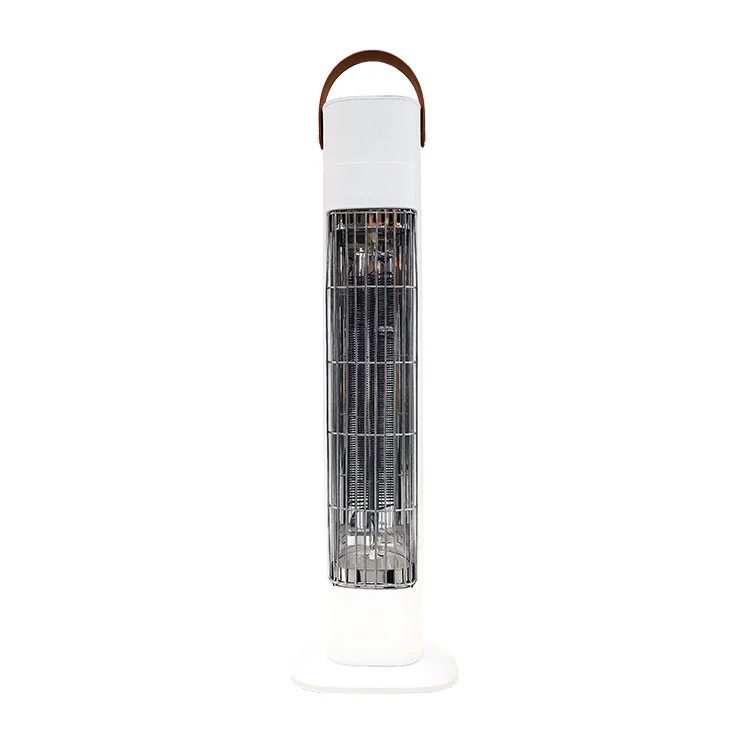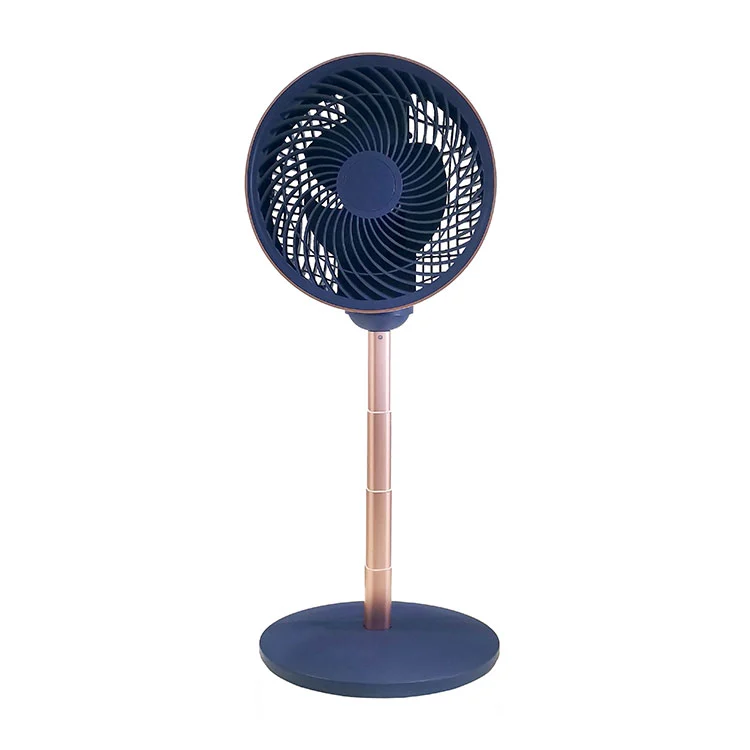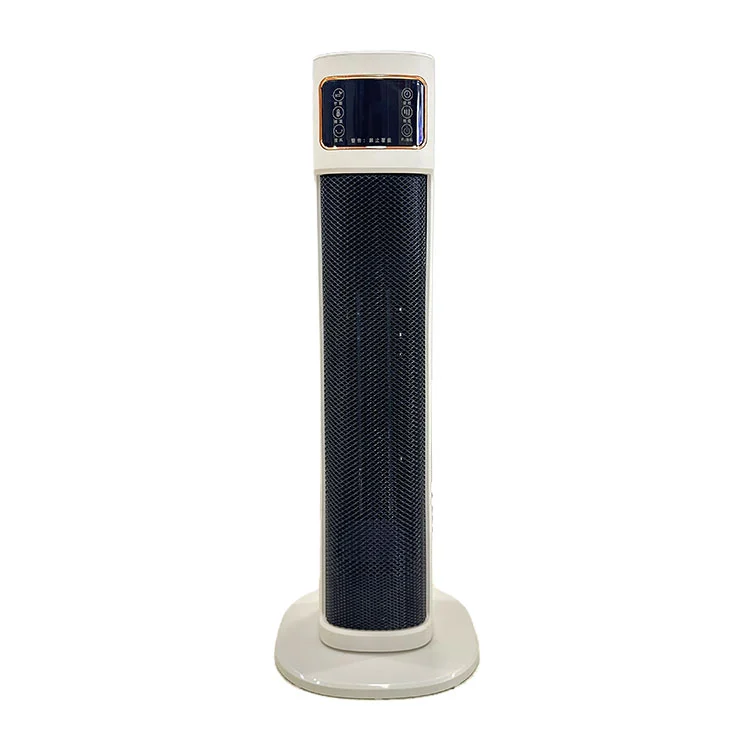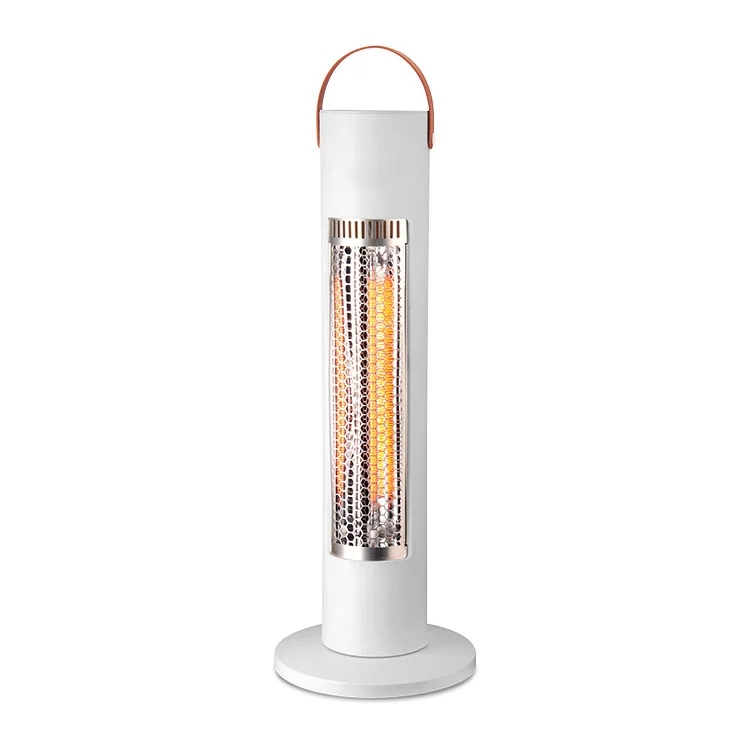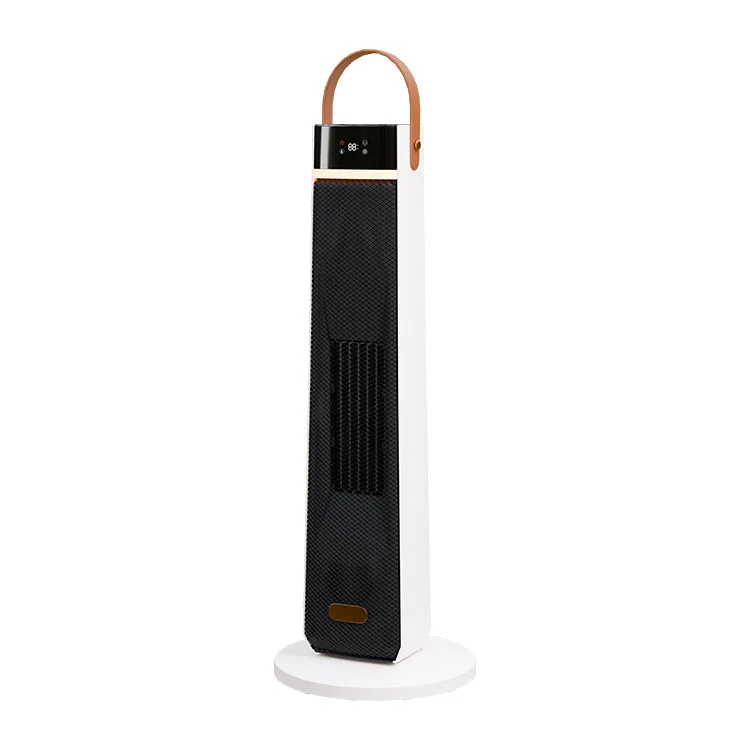
Heating technology has evolved rapidly in recent years, and energy-saving carbon fiber heaters are now leading the market due to their efficiency, durability, fast heating capability, and environmentally friendly performance. Compared with traditional heating systems, carbon fiber heaters offer lower energy consumption, longer service life, and more uniform warmth distribution.
This comprehensive guide explains how carbon fiber heaters work, their major benefits, common applications, maintenance tips, purchasing considerations, and why they are becoming increasingly popular across residential and commercial sectors. Whether you are searching for a cost-effective winter heating solution or an advanced infrared heating system, this article will help you make a confident decision.
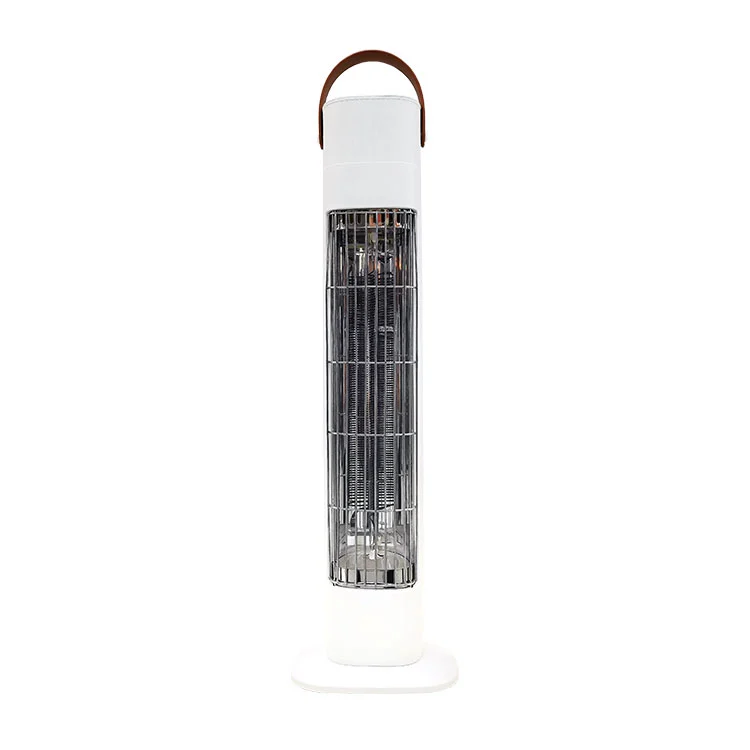
An energy-saving carbon fiber heater is a modern heating device that uses carbon fiber heating elements to generate infrared heat efficiently. Unlike traditional resistance wire heaters, carbon fiber heaters convert electrical energy into thermal radiation more effectively, producing quick and comfortable warmth while consuming less electricity.
Carbon fiber heating elements are lightweight, durable, and capable of reaching high temperatures rapidly. These heaters are widely used in homes, offices, factories, warehouses, patios, and commercial buildings because of their excellent thermal performance.
| Feature | Carbon Fiber Heater | Traditional Heater |
|---|---|---|
| Heating Speed | Very Fast | Moderate |
| Energy Efficiency | High | Lower |
| Service Life | Long | Average |
| Noise Level | Silent | Can Be Noisy |
Carbon fiber heaters work by using electricity to activate carbon fiber elements that emit infrared radiation. Instead of heating the surrounding air directly, infrared heat warms objects and people first, creating a more natural and efficient heating experience.
This process minimizes heat loss and allows rooms to feel warmer in a shorter amount of time. Because infrared waves transfer heat efficiently, users often notice lower energy bills compared with conventional heaters.
The heating process typically includes:
This technology is especially effective in cold climates where fast and targeted heating is important.
Carbon fiber heaters provide several advantages that make them superior to many traditional heating systems.
Carbon fiber elements heat up within seconds, providing immediate warmth without long waiting periods. This makes them ideal for winter mornings, offices, workshops, and outdoor areas.
Because infrared heating transfers energy more directly, less electricity is wasted. Many households experience noticeable reductions in monthly energy expenses.
Carbon fiber materials are highly resistant to wear and oxidation, allowing heaters to operate efficiently for many years with minimal maintenance.
Unlike fan-based heaters, carbon fiber heaters operate silently, making them perfect for bedrooms, libraries, and offices.
Lower energy consumption means reduced carbon emissions, helping users support sustainable living practices.
Consumers often compare carbon fiber heaters with ceramic heaters, oil-filled radiators, quartz heaters, and convection systems.
| Heating Type | Efficiency | Heating Speed | Noise | Energy Saving |
|---|---|---|---|---|
| Carbon Fiber Heater | Excellent | Very Fast | Silent | High |
| Ceramic Heater | Good | Fast | Moderate | Medium |
| Oil Heater | Moderate | Slow | Silent | Medium |
| Convection Heater | Average | Moderate | Noisy | Lower |
The comparison clearly shows why many consumers are switching to carbon fiber heating technology.
Energy-saving carbon fiber heaters are highly versatile and suitable for multiple environments.
Their portability and efficient performance make them practical for both temporary and permanent heating solutions.
Many consumers are concerned about rising electricity prices. Carbon fiber heaters address this problem through advanced thermal efficiency.
Here are several reasons why they save energy:
In many cases, users can reduce overall heating costs significantly during winter seasons.
Traditional heaters sometimes create dry air, unpleasant odors, and airborne dust circulation. Carbon fiber infrared heating systems help reduce these issues.
Since carbon fiber heaters do not rely heavily on fans, they produce less dust circulation, helping maintain cleaner indoor air.
Infrared heating preserves more natural humidity compared with convection heating systems that dry the air excessively.
Infrared heat resembles the warming effect of sunlight, creating a comfortable environment without harsh temperature fluctuations.
Choosing the right energy-saving carbon fiber heater requires careful evaluation.
| Factor | Why It Matters |
|---|---|
| Heating Capacity | Determines room coverage efficiency |
| Safety Features | Prevents overheating and accidental tipping |
| Thermostat Control | Improves temperature management |
| Portability | Makes movement easier between rooms |
| Design | Enhances home or office aesthetics |
Consumers should also evaluate warranty coverage, energy ratings, and manufacturer reputation before making a purchase.
Carbon fiber heaters are relatively easy to maintain, but proper care helps maximize performance and lifespan.
Following these practices improves operational safety and efficiency.
The global demand for energy-efficient heating systems continues to rise. Carbon fiber technology is expected to evolve further with smarter controls, improved materials, and more compact designs.
Emerging trends include:
As energy efficiency regulations become stricter worldwide, carbon fiber heaters are likely to play a larger role in sustainable indoor climate solutions.
Q1: Are carbon fiber heaters safe for indoor use?
Yes. Most modern carbon fiber heaters include multiple safety features such as overheating protection and tip-over switches.
Q2: Do carbon fiber heaters consume a lot of electricity?
No. They are designed for high efficiency and generally consume less electricity than many traditional heating systems.
Q3: Can carbon fiber heaters heat large spaces?
Yes. Industrial and high-power models can effectively heat warehouses, workshops, and commercial areas.
Q4: How long do carbon fiber heating elements last?
High-quality carbon fiber elements can operate for thousands of hours with proper maintenance.
Q5: Are carbon fiber heaters environmentally friendly?
Yes. Their energy-saving performance helps reduce electricity consumption and environmental impact.
Energy-saving carbon fiber heaters represent a major advancement in modern heating technology. Their rapid heating capability, lower energy consumption, silent operation, and long service life make them an excellent solution for both residential and commercial use.
As consumers continue searching for efficient and comfortable heating systems, carbon fiber heaters are becoming one of the most trusted solutions available on the market today.
Cixi Jianhui Electrical Technology Co., Ltd. specializes in innovative heating solutions designed to meet modern energy-saving demands. With advanced manufacturing capabilities and a strong commitment to quality, the company provides reliable carbon fiber heating products for global customers.
Contact Cixi Jianhui Electrical Technology Co., Ltd. today to explore customized heating solutions, product details, and professional support for your business or project needs.