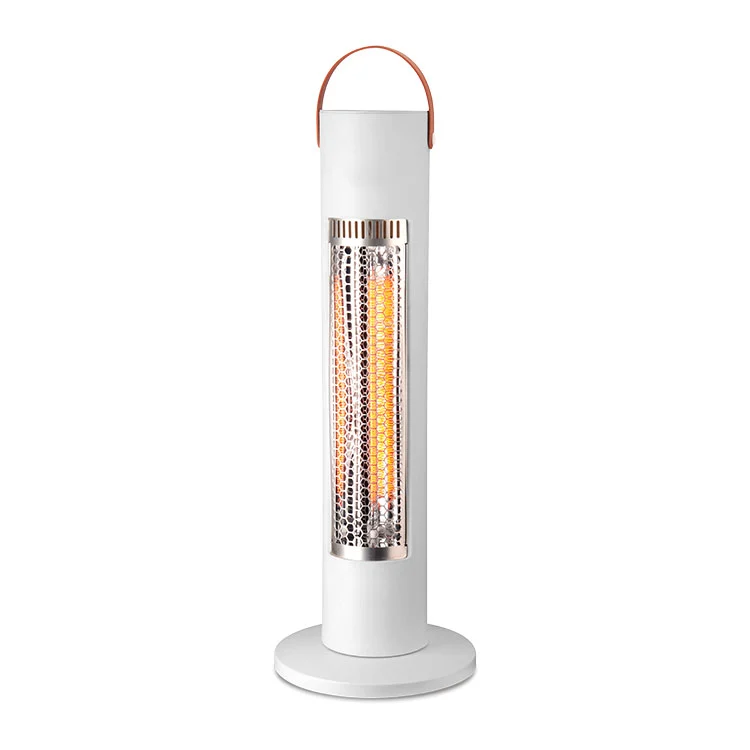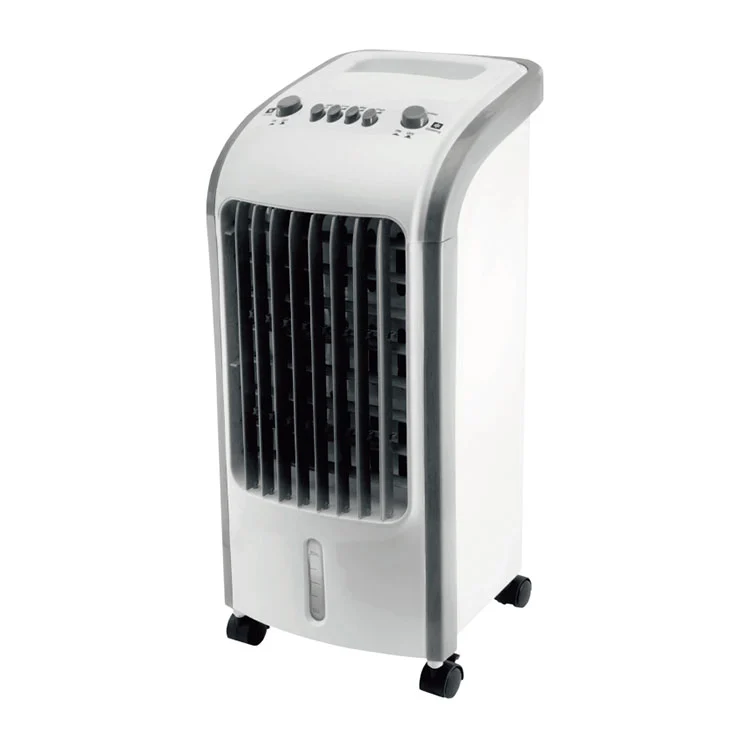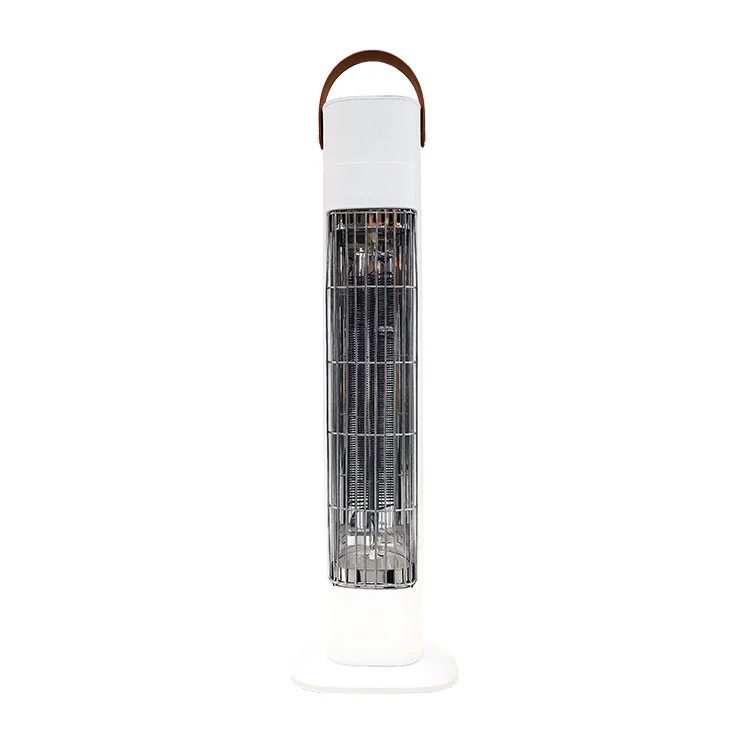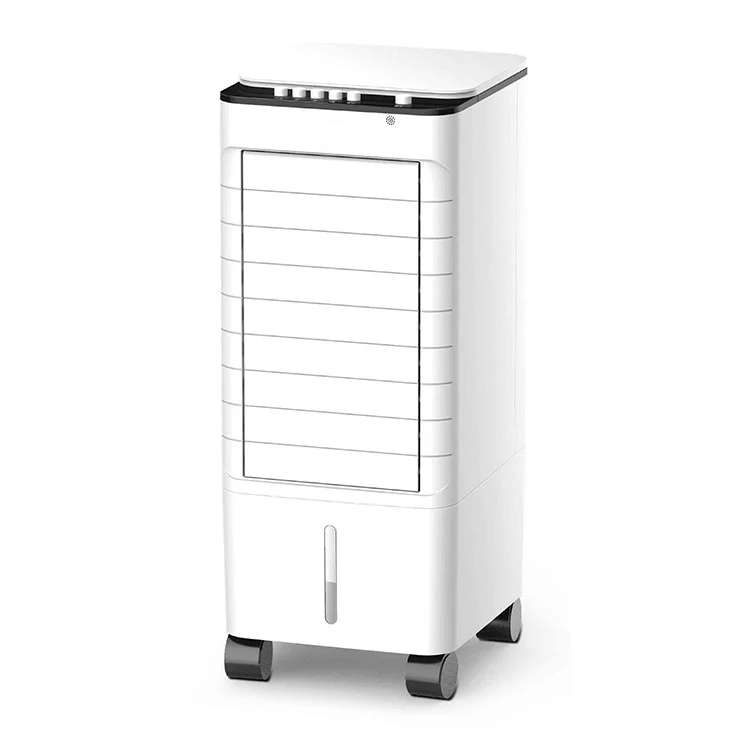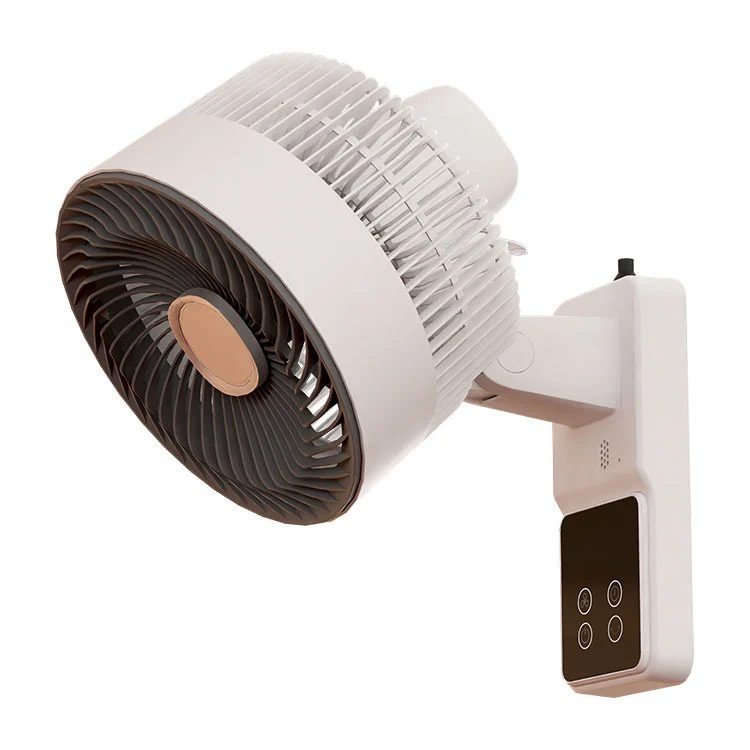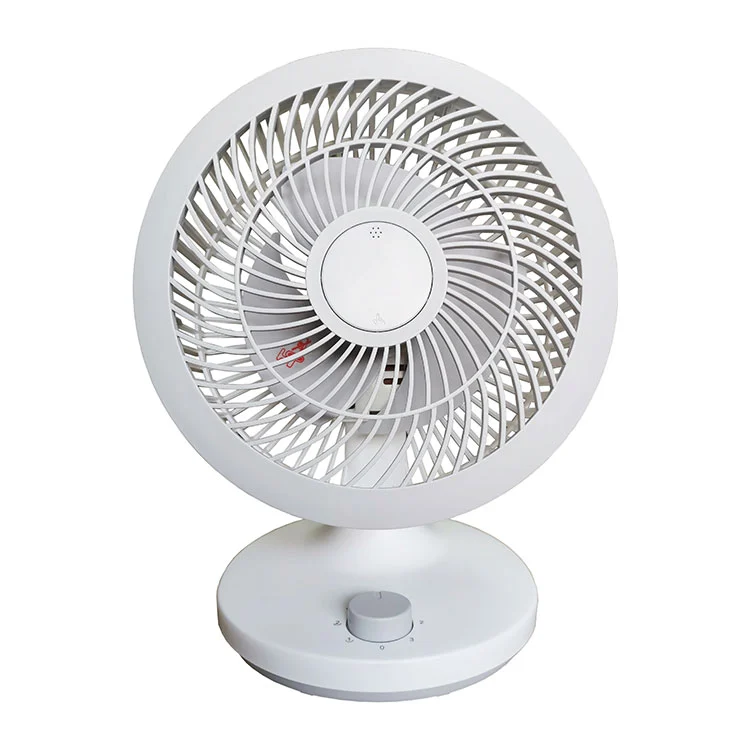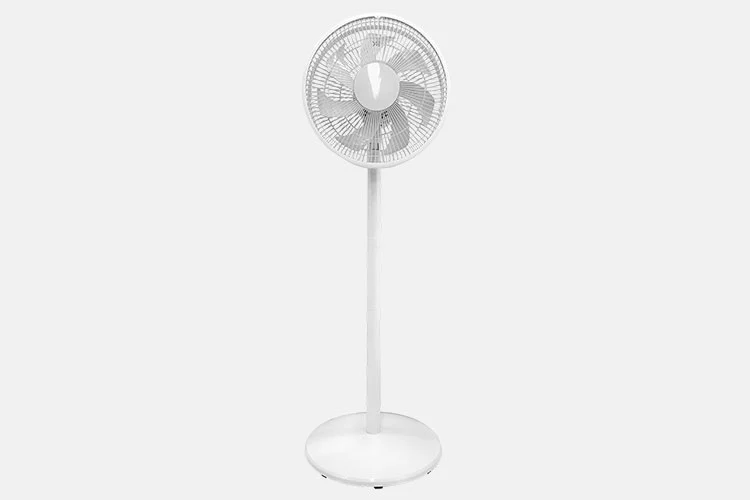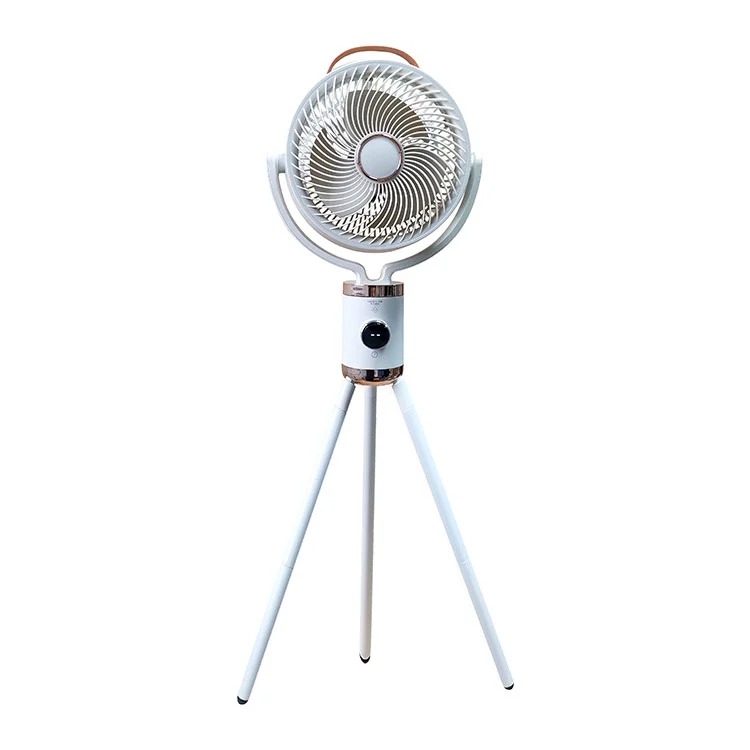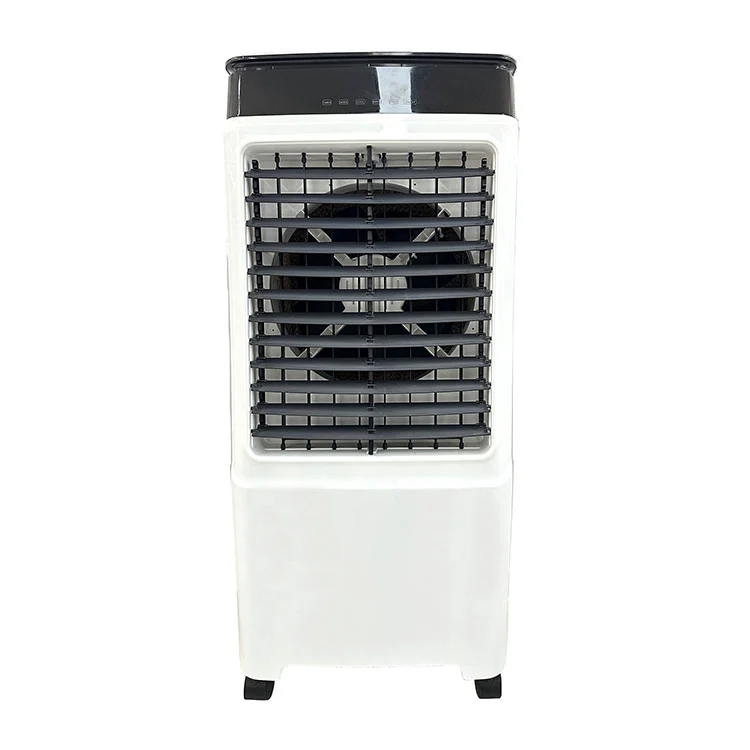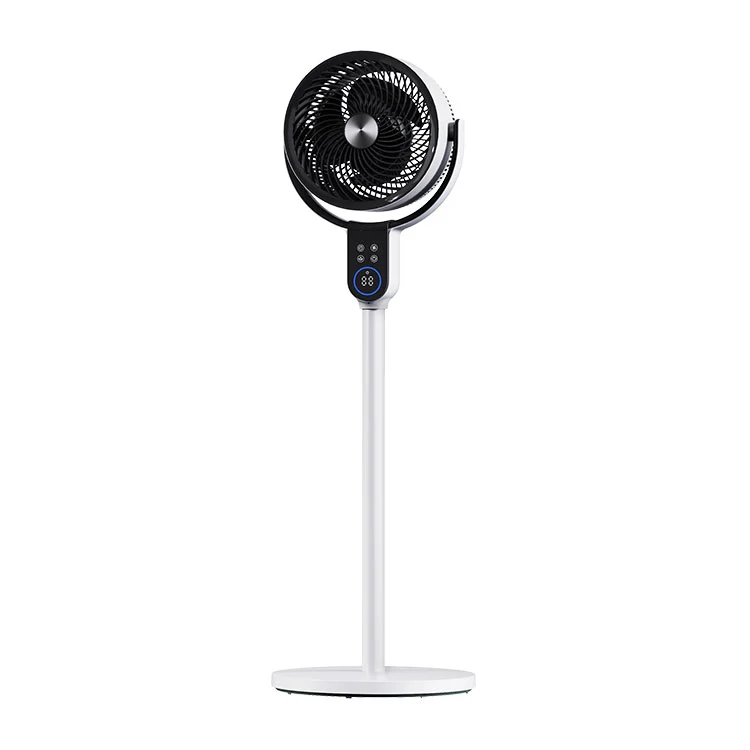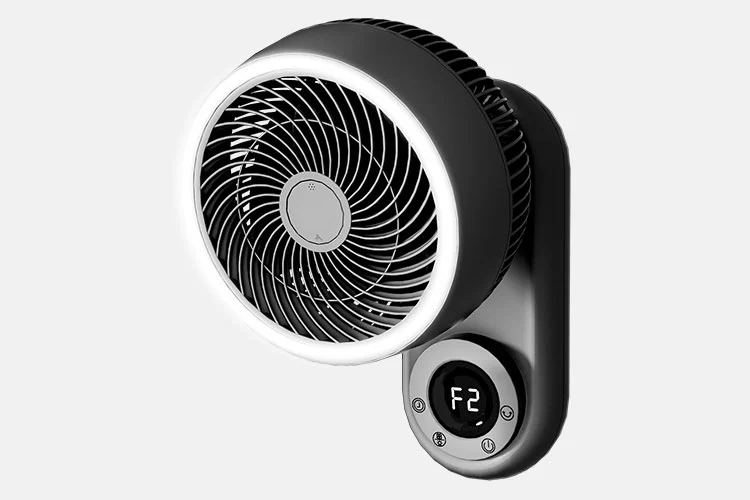

As indoor and semi-outdoor environments face increasing temperature variability, the Quiet Personal Air Cooler has emerged as a practical solution for localized cooling without the noise, bulk, or energy demands of traditional air-conditioning systems. Designed for desks, bedrooms, small offices, dormitories, and personal relaxation spaces, this category of appliance focuses on delivering targeted airflow, evaporative cooling efficiency, and acoustic comfort.

Quiet Personal Air Coolers rely on evaporative cooling principles combined with precision airflow engineering. Unlike compressor-based systems, these units draw warm ambient air through a water-saturated cooling medium. As water evaporates, heat is absorbed from the air, producing a noticeable cooling effect while maintaining moderate humidity balance.
From an engineering standpoint, acoustic performance is achieved through low-RPM DC motors, optimized fan blade geometry, and vibration-dampening internal structures. This allows continuous operation during sleep, work, or study without cognitive disruption.
Below is a consolidated overview of common parameters that define a professional-grade Quiet Personal Air Cooler:
| Parameter | Typical Specification Range |
|---|---|
| Rated Voltage | 110–120V / 220–240V |
| Power Consumption | 6–15 W |
| Airflow Volume | 80–150 m³/h |
| Noise Level | ≤ 35 dB(A) |
| Water Tank Capacity | 600–1000 ml |
| Cooling Medium | Honeycomb evaporative pad |
| Control Interface | Touch panel or mechanical dial |
| Fan Speeds | 3–4 adjustable levels |
| Oscillation | Optional horizontal airflow |
| Net Weight | 0.9–1.5 kg |
These parameters collectively determine suitability for personal spaces. Low wattage supports continuous use, while sub-35 dB noise output aligns with bedroom and office standards.
Selecting a Quiet Personal Air Cooler requires aligning technical output with real-world usage patterns. Unlike whole-room solutions, these devices are optimized for proximity cooling, typically within a 1–2 meter radius.
Key evaluation considerations include airflow directionality, runtime per refill cycle, and environmental conditions. In dry or moderately humid climates, evaporative cooling efficiency is maximized. In higher-humidity regions, performance remains noticeable but should be understood as airflow-focused cooling rather than temperature reduction across an entire room.
From a usage perspective, personal coolers are commonly positioned on desks, bedside tables, kitchen counters, or balconies. Their compact footprint supports portability without requiring structural installation or exhaust routing.
Energy efficiency is a primary driver behind increasing global interest in personal cooling appliances. Quiet Personal Air Coolers typically consume less power than a standard LED desk lamp, making them suitable for long-duration operation without significant cost impact.
This efficiency supports broader sustainability goals and aligns with consumer demand for environmentally responsible appliances. The absence of refrigerants eliminates concerns related to leakage or regulatory restrictions, while simplified internal architecture reduces long-term maintenance requirements.
From a market perspective, energy-conscious users increasingly favor devices that supplement, rather than replace, centralized cooling systems. Personal air coolers reduce dependency on full-capacity air conditioning, particularly during transitional seasons.
The future development of Quiet Personal Air Coolers is closely linked to advancements in materials science, motor efficiency, and user-interface design. Manufacturers are investing in quieter bearings, higher-efficiency evaporative pads, and smart control integration.
Emerging trends include USB-powered operation for mobile work environments, modular water tanks for easier cleaning, and sensor-assisted airflow regulation. As remote work and flexible living arrangements continue to expand, demand for individualized thermal comfort solutions is expected to rise steadily.
The category is also benefiting from consumer education. Buyers increasingly understand the functional positioning of personal air coolers, leading to more accurate expectations and higher satisfaction rates.
While traditional fans circulate ambient air, they do not alter air temperature. Quiet Personal Air Coolers introduce a cooling process through evaporation, providing perceptible thermal relief in close-range settings.
The practical difference becomes evident during prolonged use. Fans may increase discomfort in hot, dry conditions by accelerating moisture loss from the skin, whereas evaporative cooling maintains a more balanced sensation. Additionally, quiet operation levels make personal air coolers more suitable for nighttime or focused work environments.
Routine maintenance for Quiet Personal Air Coolers is straightforward and designed for non-technical users. Regular water replacement prevents mineral buildup, while periodic cleaning of the cooling pad maintains airflow efficiency.
Most models allow tool-free access to internal components, reducing downtime and extending operational lifespan. Proper maintenance directly supports consistent airflow output and preserves acoustic performance.
Q: How long can a Quiet Personal Air Cooler operate on a single water refill?
A: Runtime typically ranges from 4 to 8 hours depending on fan speed, ambient temperature, and humidity. Lower fan settings extend operational duration, while higher airflow prioritizes immediate cooling output.
Q: Is a Quiet Personal Air Cooler suitable for use during sleep?
A: Yes. Units operating at or below 35 dB(A) are considered suitable for sleep environments. Many models also support low-light or light-off modes to minimize nighttime disturbance.
Manufacturing expertise plays a critical role in maintaining performance consistency across production batches. Established electrical appliance manufacturers apply standardized motor calibration, airflow testing, and quality inspection protocols to ensure reliability.
Cixi Jianhu Electrical integrates long-term manufacturing experience into the development and production of Quiet Personal Air Coolers, focusing on stable performance, material durability, and compliance with international electrical standards. This approach supports consistent output across diverse market requirements.
For additional product information, technical documentation, or cooperation inquiries, interested parties are encouraged to contact us directly. Professional support teams are available to provide detailed specifications, customization options, and responsive service aligned with market needs.