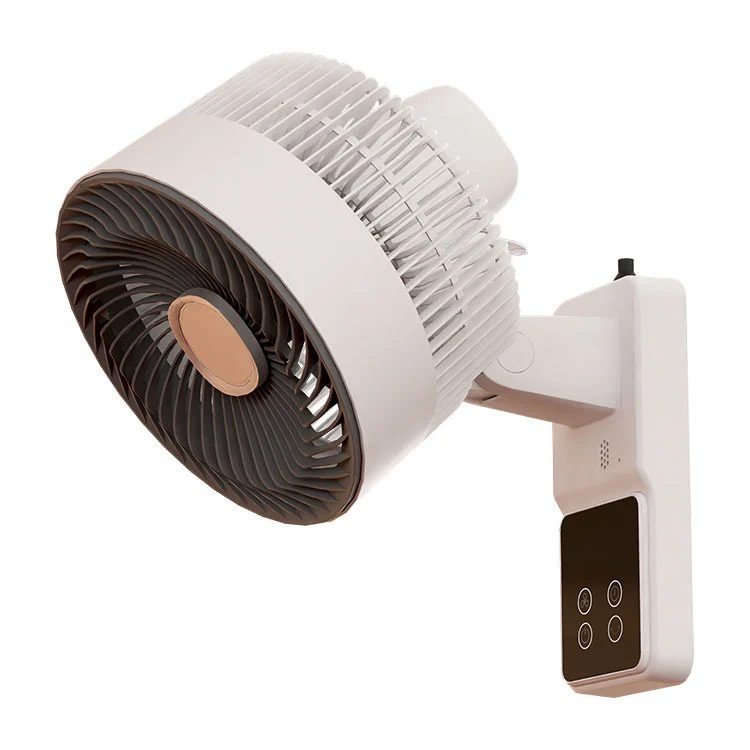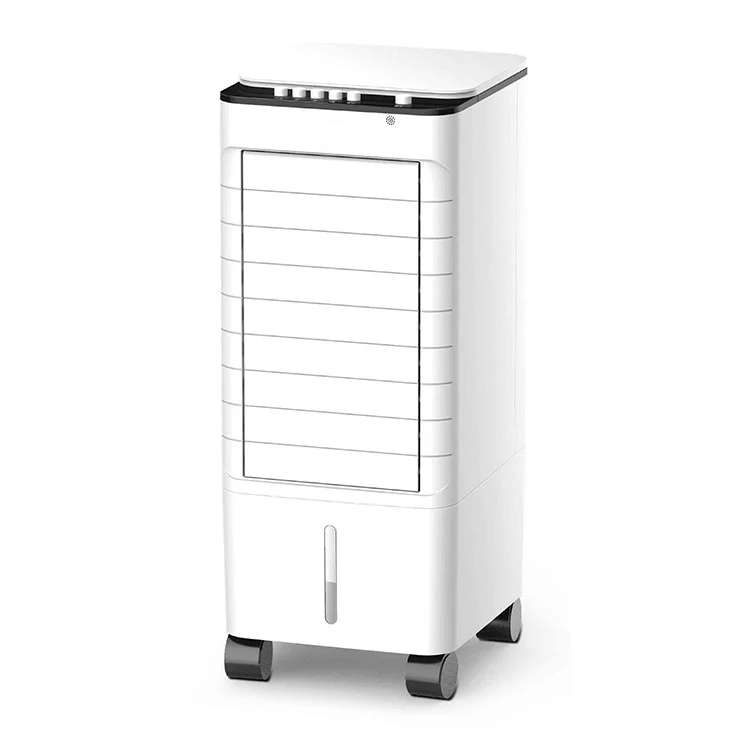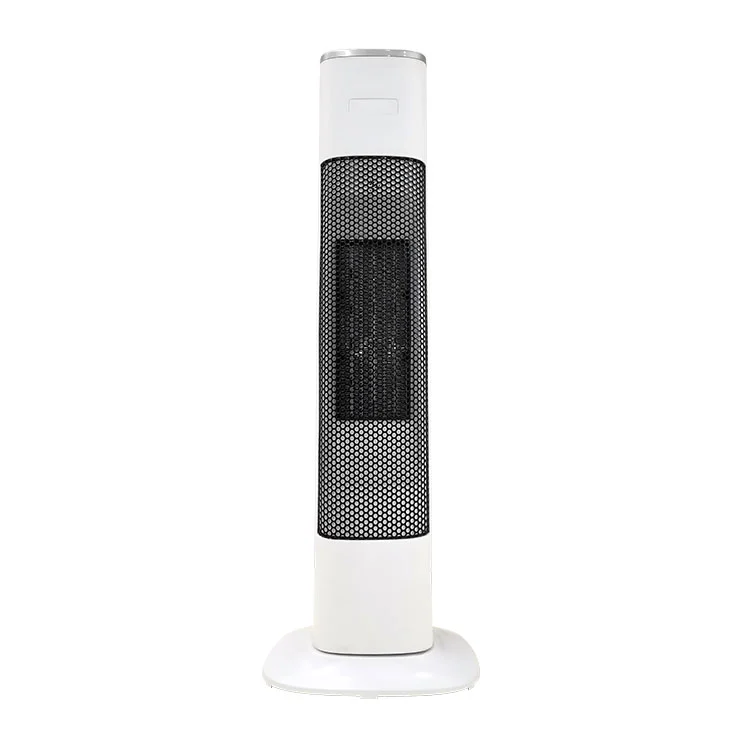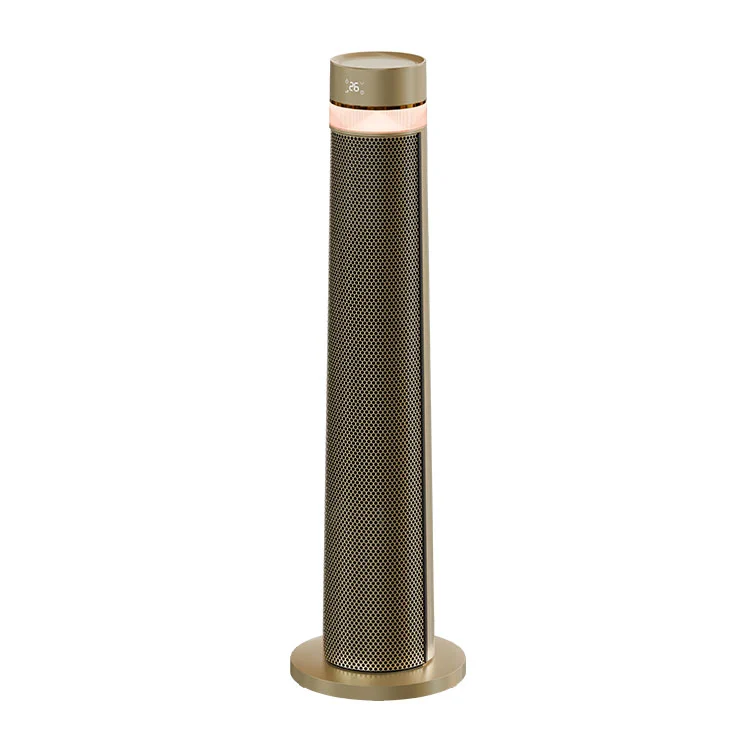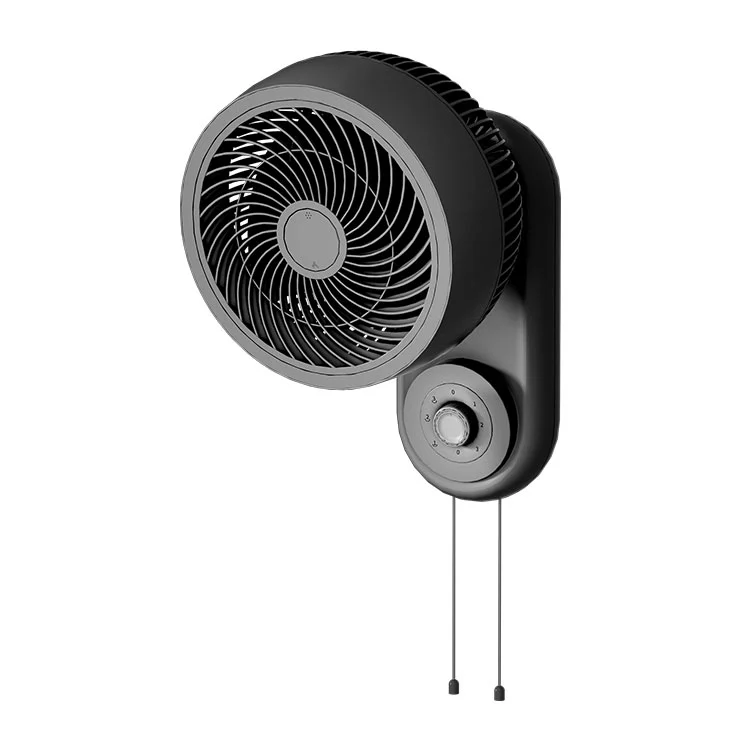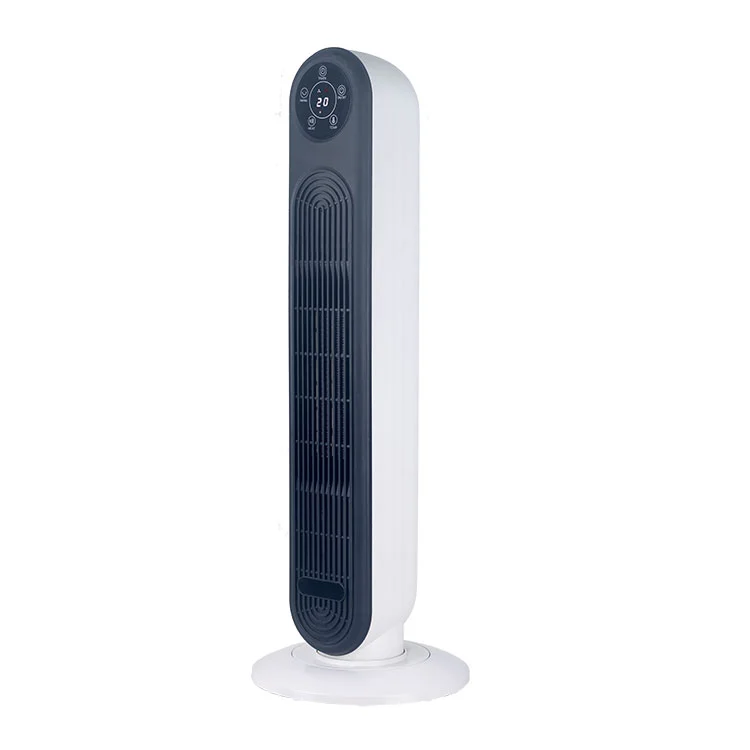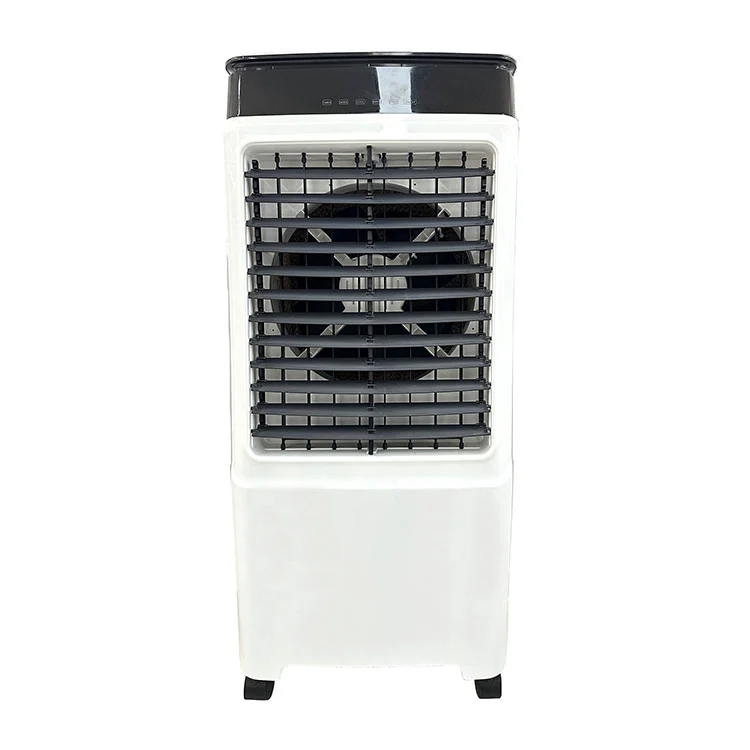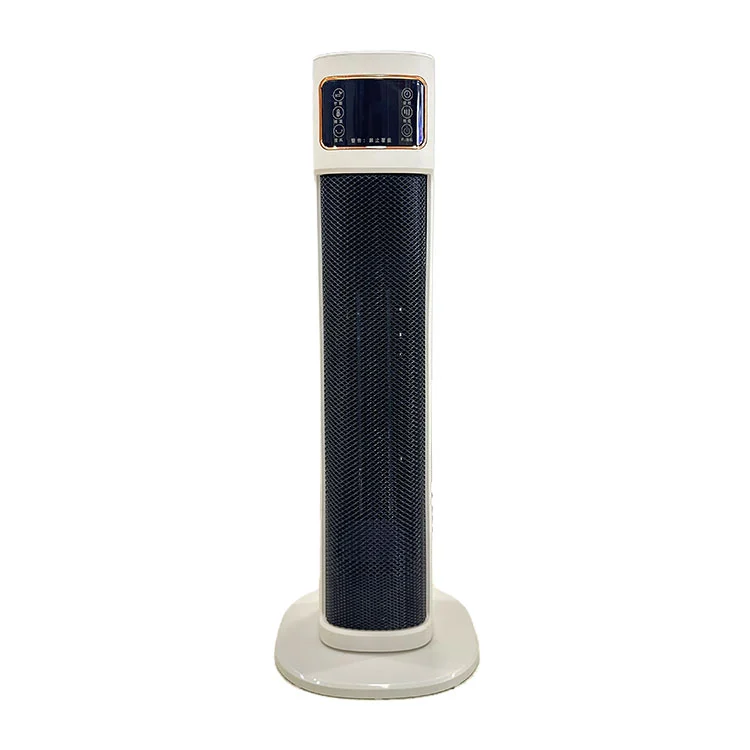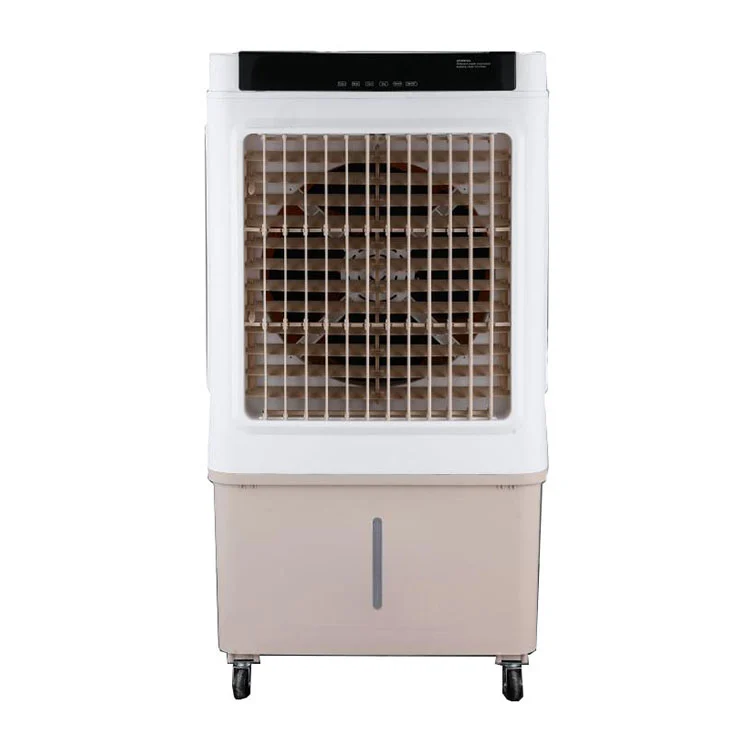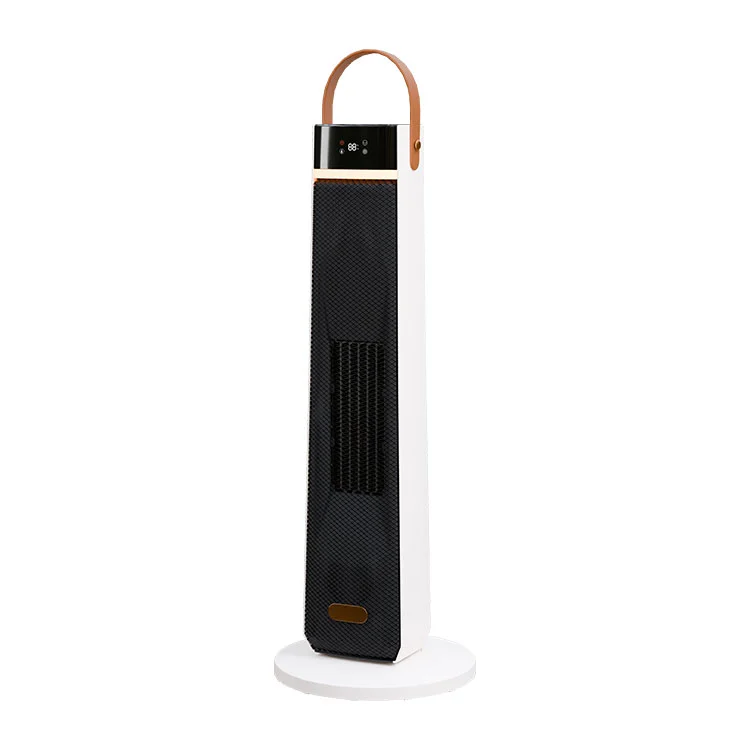

The Industry Air Cooler is a critical component in modern industrial and commercial environments where heat management is essential. This extensive article provides an overview of industry air cooler systems, expanded keywords for SEO relevance, question‑based sections, pros and cons, practical usage insights, and detailed FAQs related to industrial cooling solutions. We reference product context and reliability considerations including insights relevant to Cixi Jianhui Electrical Technology Co., Ltd., a known manufacturer in the cooling solutions space.
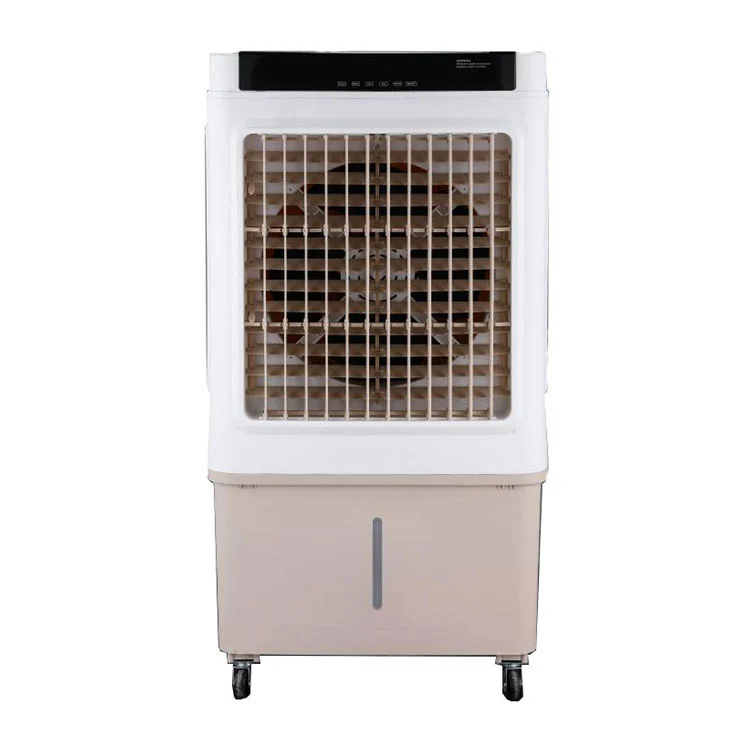
An Industry Air Cooler refers to a high‑capacity cooling system designed to maintain optimal temperatures in industrial environments such as manufacturing floors, warehouses, processing plants, food storage facilities, and heavy equipment enclosures. Unlike standard domestic air coolers, industrial air coolers are engineered to withstand demanding conditions and provide powerful airflow and robust cooling capabilities.
Industrial air cooler systems often incorporate large fans, heat‑exchange components, and durable construction materials to ensure performance and longevity. Whether you are considering an “industrial air cooling unit” or a “commercial industry cooler,” these systems address the unique heat management requirements of large spaces and continuous operations.
Industrial settings generate significant heat from machinery, processes, and human activity. Maintaining a stable temperature is critical for operational efficiency, equipment longevity, worker comfort, and regulatory compliance. Industrial air coolers help reduce overheating risks, improve air circulation, and contribute to a safer work environment.
Cixi Jianhui Electrical Technology Co., Ltd. produces a range of industrial cooling solutions optimized for heavy‑duty applications and customization based on industry requirements.
Industrial air coolers operate by drawing in ambient warm air and passing it over cooling elements (such as water‑saturated pads or heat exchanger coils). The cooled air is then distributed into the environment to reduce overall temperature. Some systems rely on evaporative cooling, others on mechanical refrigeration principles.
To enhance content visibility and SEO relevance, here are keyword expansions related to "Industry Air Cooler" formatted into commonly searched terms:
| Keyword Variation | Intent / Use Case |
|---|---|
| industrial air cooler systems | Broad term for complete industrial cooling units |
| heavy duty air cooler | Refers to high‑capacity units for demanding environments |
| industrial cooling solutions | General cooling technology category |
| commercial air coolers | Cooling solutions for large commercial spaces |
| air cooler for industry | Generic phrase for any industrial air cooling device |
Understanding the pros and cons of industry air cooler systems helps industrial planners, operations managers, and procurement teams make informed decisions.
Choosing the right industry air cooler depends on several factors, including space size, heat load, climate conditions, budget, and maintenance capabilities. Here are key considerations:
Q: What distinguishes an industry air cooler from a regular air cooler?
A: Industry air coolers are engineered for larger spaces and more demanding environments, offering higher airflow, greater cooling capacity, and durable components that withstand industrial conditions compared to standard residential units.
Q: Can industrial air coolers reduce energy costs?
A: Yes, especially evaporative coolers and properly sized units that use less electricity than full HVAC systems — resulting in cost savings when deployed strategically.
Q: How often should industrial air coolers be maintained?
A: Maintenance frequency depends on usage intensity, but generally quarterly filter and pad cleaning, periodic checks on motors and belts, and annual professional servicing ensure optimal performance.
Q: Are industry air coolers suitable for high‑humidity environments?
A: Some systems, like evaporative coolers, may be less effective in high humidity. In such climates, refrigerant‑based industrial air coolers or hybrid models are preferable.
Q: What safety considerations are important for installation?
A: Ensure proper electrical connections, secure mounting, adequate ventilation clearance, and compliance with local safety codes to prevent hazards like overheating or electrical faults.
Q: How do I choose between a heavy duty air cooler and a standard industrial cooler?
A: Selection should be based on heat load, operational hours, and environmental conditions. Heavy duty units provide more robust performance for intense heat scenarios, while standard industrial coolers may suffice for moderate applications.
For high‑quality, reliable industrial air cooler solutions, trust the expertise and manufacturing excellence of Cixi Jianhui Electrical Technology Co., Ltd.. Whether you need a heavy duty air cooler or a tailored industrial cooling system, their products and services align with operational requirements and industrial standards. Contact us.