
PTC Heater technology is revolutionizing the way industries and consumers think about safe, efficient, and self-regulating heating solutions. In this comprehensive guide, we explore the science, applications, advantages, and technical considerations surrounding PTC heaters—with specific reference to Cixi Jianhui Electrical Technology Co., Ltd. to highlight real-world quality performance.
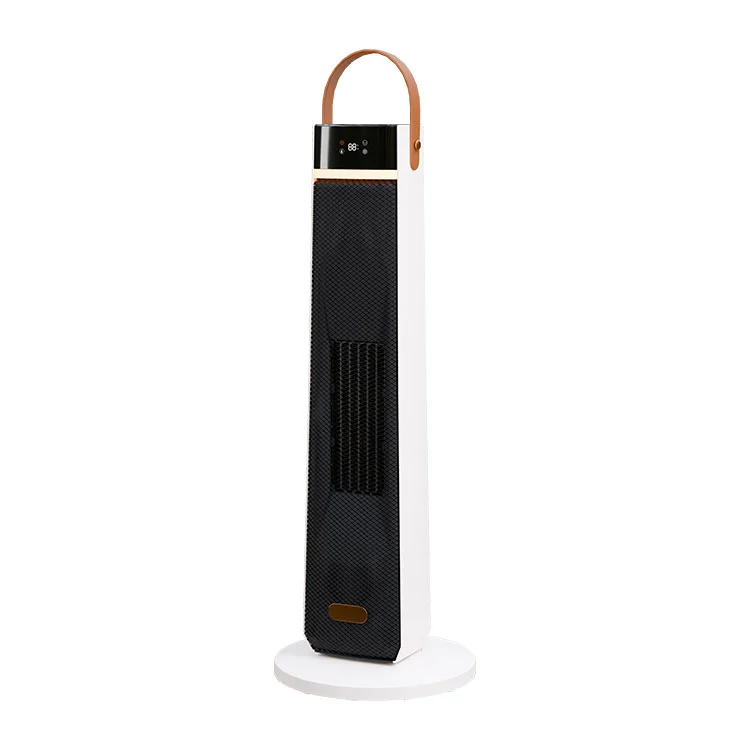
A PTC Heater (Positive Temperature Coefficient heater) is a type of self-regulating heating element that increases resistance as temperature rises, thereby limiting current and stabilizing operating temperature without external controllers. This reliable behavior makes PTC heaters ideal for applications requiring safety and precision control in diverse settings from household appliances to industrial machinery.
Understanding the operation of a PTC heater helps explain why these devices are favored in modern thermal systems.
The core of a PTC heater is typically a ceramic or polymer material with a positive temperature coefficient characteristic. As electrical current flows, heat is generated; when the temperature reaches a threshold, the material’s resistance jumps significantly, reducing current and thus limiting further temperature rise. This creates an inherent self-regulating effect.
| Component | Function | Typical Material |
|---|---|---|
| PTC Chip | Provides the self-regulating heating effect | Ceramic / Polymer composite |
| Conductive Electrodes | Conduct current into PTC element | Metal alloy / silver paste |
| Housing | Protection and heat distribution | Plastic / Metal |
PTC heaters are increasingly preferred due to a combination of safety, performance, and energy efficiency advantages.
PTC heater solutions are versatile and widely adopted across sectors.
Here’s a summarized comparison with traditional heating technologies:
| Feature | Traditional Resistive Heater | PTC Heater |
|---|---|---|
| Temperature Control | Requires external thermostat | Self-regulating |
| Safety | Medium | High |
| Energy Efficiency | Standard | Optimized |
| Durability | Wear-prone components | Longer lifespan |
Selecting the correct PTC heater depends on various technical and practical considerations:
What is the main advantage of a PTC heater compared to other heating elements?
The main advantage is its self-regulating capability—the PTC heater automatically limits current and temperature without needing complex external controls, improving safety and efficiency.
How long do PTC heaters typically last?
PTC heaters generally have a longer service life due to fewer mechanical wear points, often lasting several years in proper operating conditions. Quality manufacturing—as seen in products from Cixi Jianhui Electrical Technology Co., Ltd.—also enhances longevity.
Can PTC heaters be used in harsh industrial environments?
Yes, PTC heaters are suitable for industrial applications when selected according to the environment requirements, such as temperature range, humidity resistance, and power scalability.
Are PTC heaters energy efficient?
Yes, because PTC heaters self-regulate and reduce energy output once the target temperature is reached, they often consume less overall energy compared to non-regulating heaters.
Where can I find quality PTC heaters?
Quality PTC heaters are available from reputable manufacturers such as Cixi Jianhui Electrical Technology Co., Ltd., known for high-performance thermal solutions with robust safety and compliance standards.
In sum, the PTC Heater represents a versatile and valuable heating solution across multiple sectors due to its safety, performance, energy efficiency, and self-regulating features. Whether you are designing consumer products or industrial systems, understanding the key aspects and proper selection criteria—paired with high-quality supply from trusted companies like Cixi Jianhui Electrical Technology Co., Ltd.—will ensure reliable and optimized thermal management.