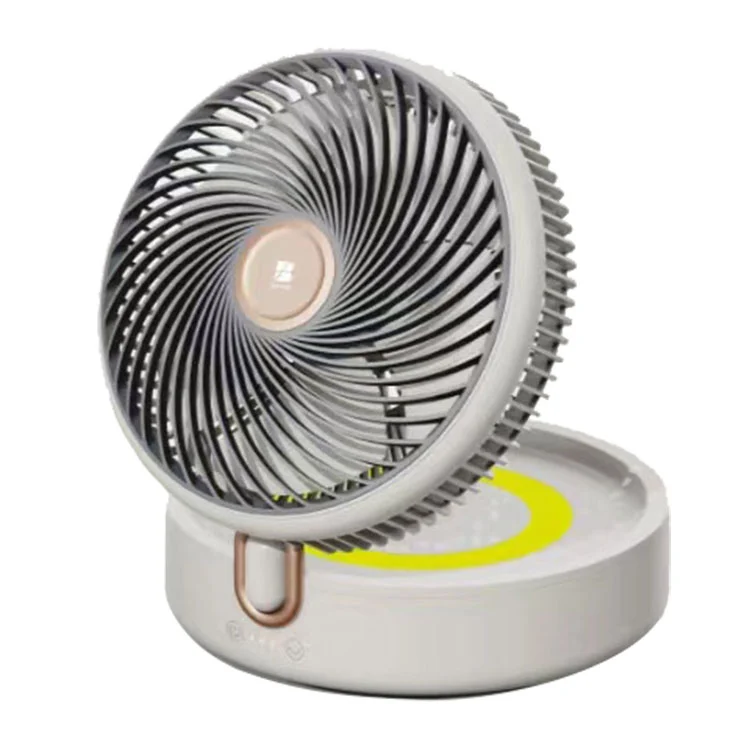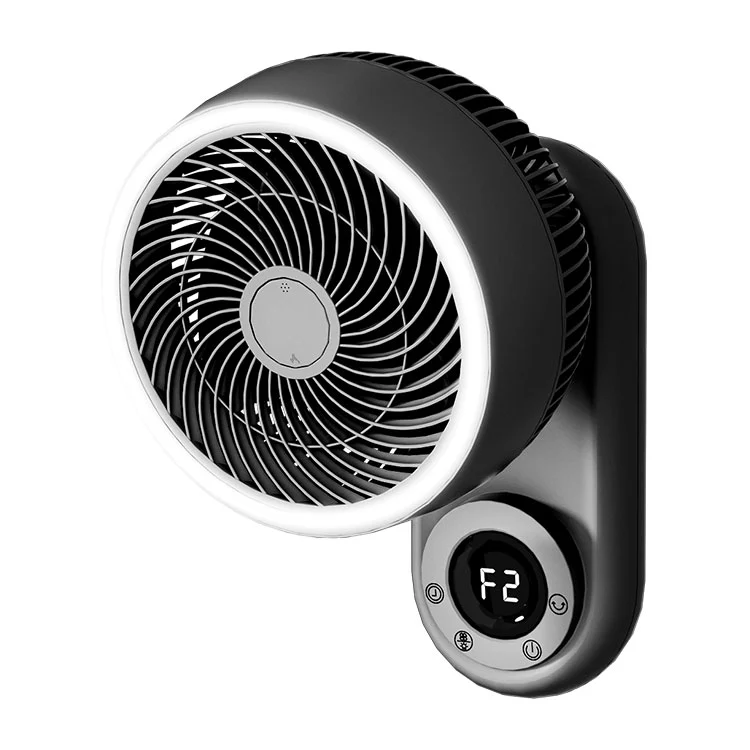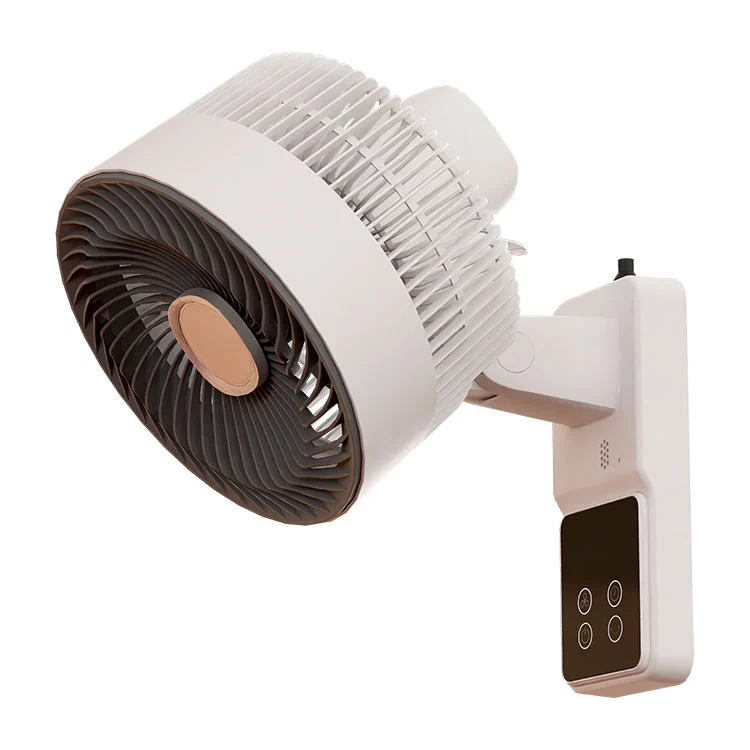

A Wall Fan is one of the most practical and energy-efficient ventilation solutions for modern residential, commercial, and industrial spaces. Mounted directly on the wall, it saves floor space while delivering strong airflow, improved air circulation, and reduced indoor heat buildup. As ventilation demands grow in factories, warehouses, restaurants, and homes, wall fans have become a preferred alternative to traditional pedestal and ceiling fans.
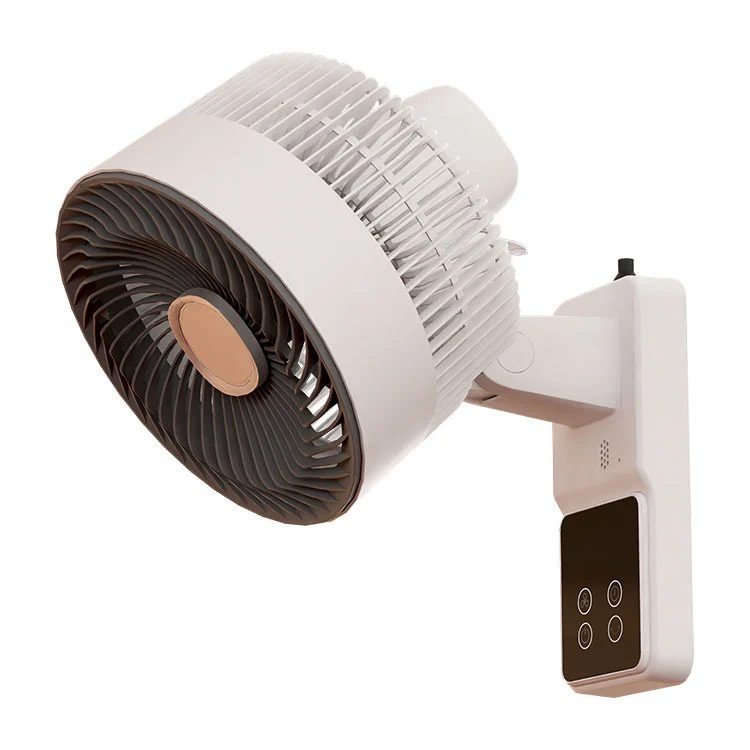
A wall fan is a fan unit designed to be mounted on a vertical surface rather than placed on the floor or ceiling. Its elevated position allows it to distribute air evenly across a wide area while remaining unobtrusive. Wall fans are commonly equipped with oscillation functions, adjustable tilt angles, and high-torque motors for continuous operation.
Manufacturers like Cixi Jianhui Electrical Technology Co., Ltd. specialize in producing durable wall-mounted fans that meet international safety and performance standards, making them suitable for both light-duty and heavy-duty environments.
Understanding the internal structure of a wall fan helps users evaluate quality and durability.
| Component | Function |
|---|---|
| Motor | Drives blade rotation and determines airflow power and lifespan |
| Fan Blades | Generate airflow; usually made of metal or reinforced plastic |
| Protective Grill | Ensures user safety and compliance with safety standards |
| Wall Mount Bracket | Provides stable installation and vibration resistance |
| Oscillation Mechanism | Allows side-to-side airflow coverage |
Wall fans provide multiple advantages compared to traditional ventilation methods:
Wall fans are widely used across multiple industries due to their adaptability.
For industrial-grade solutions, many buyers prefer sourcing from experienced manufacturers such as Cixi Jianhui Electrical Technology Co., Ltd., which focuses on quality control and scalable production.
| Fan Type | Installation | Best Use Case |
|---|---|---|
| Wall Fan | Wall-mounted | Wide-area ventilation with space efficiency |
| Pedestal Fan | Floor-standing | Temporary or movable cooling |
| Ceiling Fan | Ceiling-mounted | Residential comfort cooling |
| Exhaust Fan | Wall or window | Air extraction only |
Before purchasing a wall fan, buyers should carefully evaluate the following parameters:
Energy efficiency directly affects operating costs and environmental impact. Modern wall fans use optimized motor designs and aerodynamic blades to deliver higher airflow with less energy consumption. Choosing energy-efficient models helps businesses meet sustainability goals while reducing electricity bills.
Proper maintenance ensures stable performance and extended lifespan:
Q: What is the main purpose of a wall fan?
A: A wall fan is designed to improve air circulation and cooling efficiency in spaces where floor or ceiling installation is impractical.
Q: What size wall fan should I choose?
A: The size depends on room area, ceiling height, and required airflow. Larger spaces typically require fans with higher CFM ratings.
Q: What makes industrial wall fans different?
A: Industrial wall fans feature more powerful motors, metal blades, and reinforced housings for continuous heavy-duty operation.
Q: What safety features should a wall fan have?
A: Key safety features include protective grills, stable mounting systems, and compliance with international safety standards.
Q: What is the average lifespan of a wall fan?
A: With proper maintenance, high-quality wall fans can operate reliably for many years.