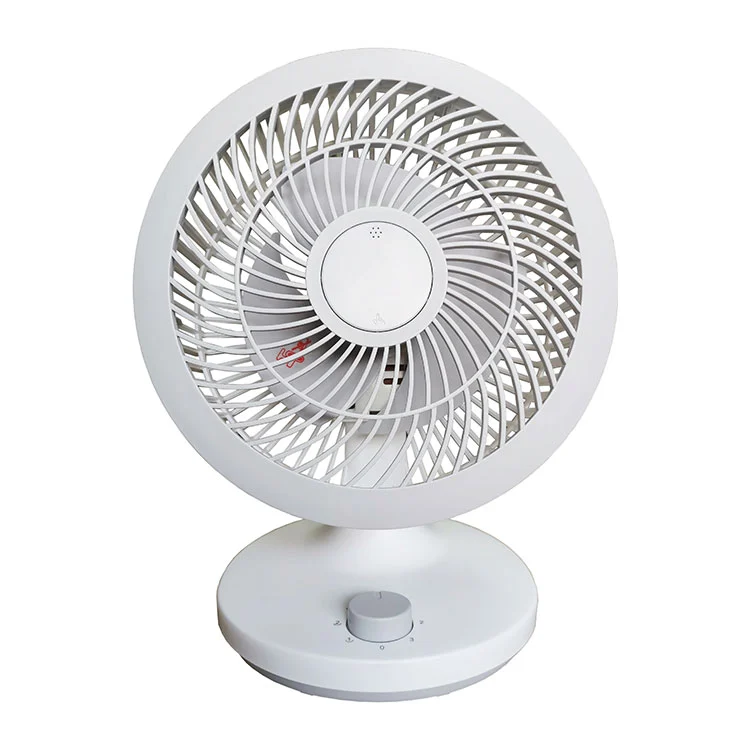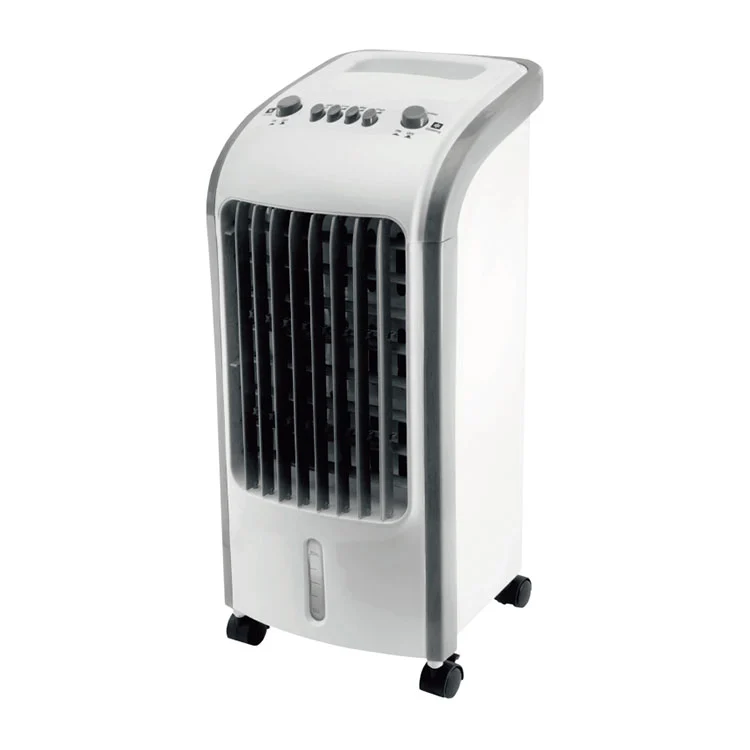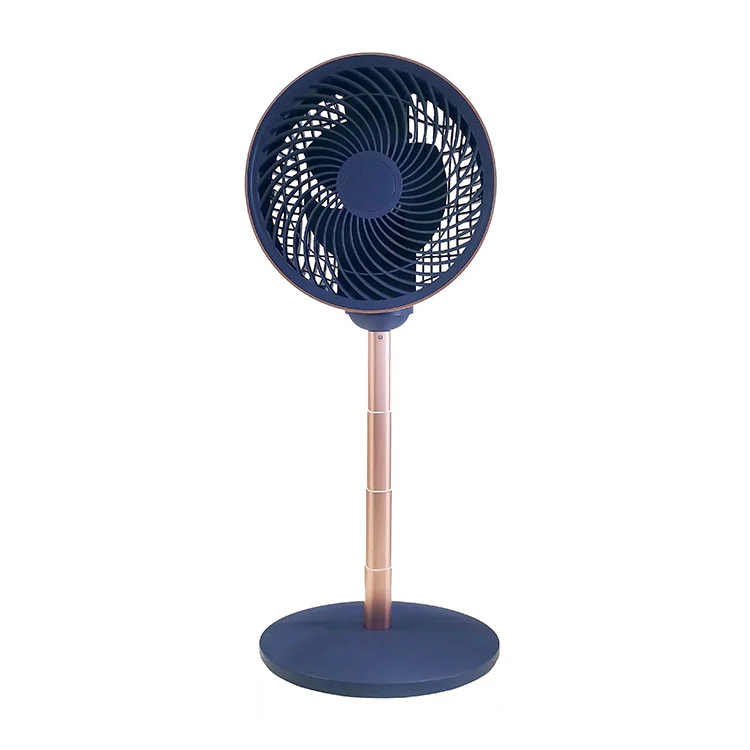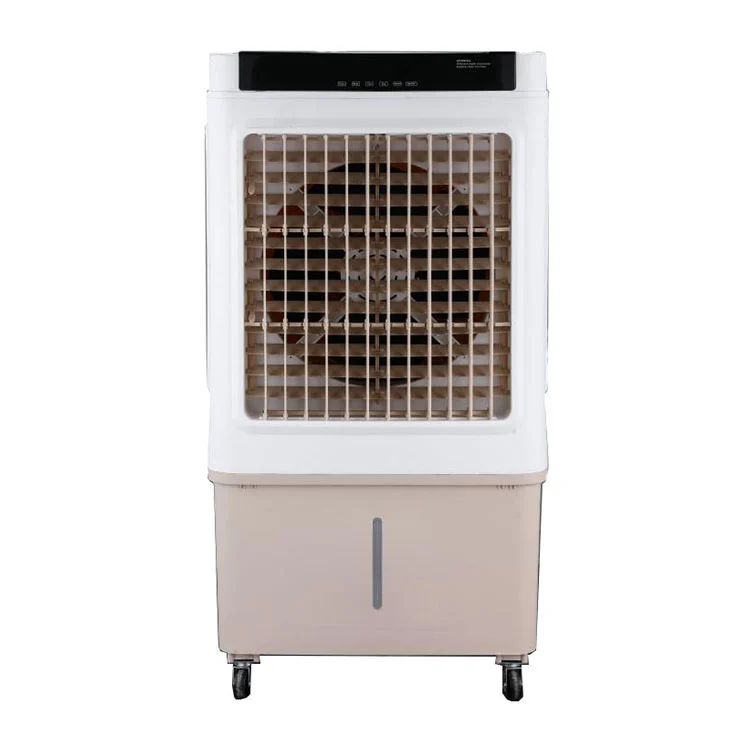

Maintaining comfortable temperatures in factories, workshops, warehouses, and commercial facilities is a continuing challenge, particularly during hot seasons. Traditional air conditioning systems can require substantial installation investment, while ordinary fans simply circulate existing warm air without lowering its temperature. An Industrial Mobile Compact Evaporative Air Cooler offers another approach by combining water-based evaporative cooling, forced airflow, and convenient mobility. This guide explains how these cooling units work, where they perform best, which features matter when purchasing, and how businesses can improve cooling efficiency while controlling operating costs.
High indoor temperatures can affect more than employee comfort. In manufacturing facilities, warehouses, and production workshops, excessive heat may reduce concentration, increase fatigue, and make physically demanding tasks more difficult. It can also create uncomfortable working conditions around machinery, assembly lines, and packaging stations.
The challenge becomes greater when a facility has a large floor area, high ceilings, frequently opened doors, or several heat-generating machines. Installing a conventional centralized air conditioning system may require extensive ductwork, professional installation, and considerable upfront investment.
At the same time, standard industrial fans have an important limitation: they move air but do not actively remove heat from the air. When the surrounding environment is already hot, stronger airflow does not necessarily provide sufficient cooling.
This is where evaporative cooling equipment becomes a practical option. By using water evaporation to absorb heat, an evaporative air cooler can supply a stream of cooler air while maintaining continuous air movement.
Industrial cooling is not simply about selecting the most powerful fan. Businesses should evaluate airflow, humidity conditions, installation requirements, mobility, maintenance, and the actual working environment before choosing equipment.
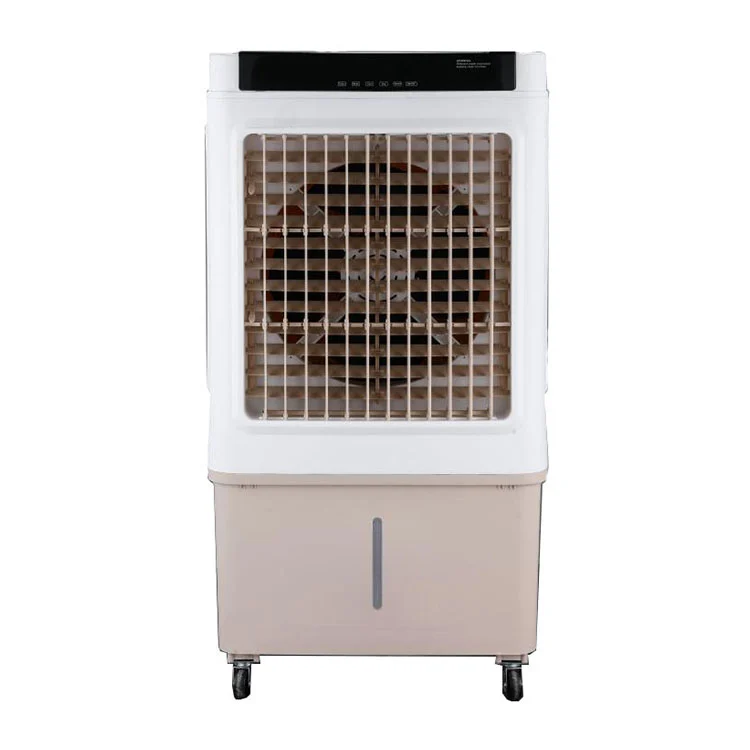
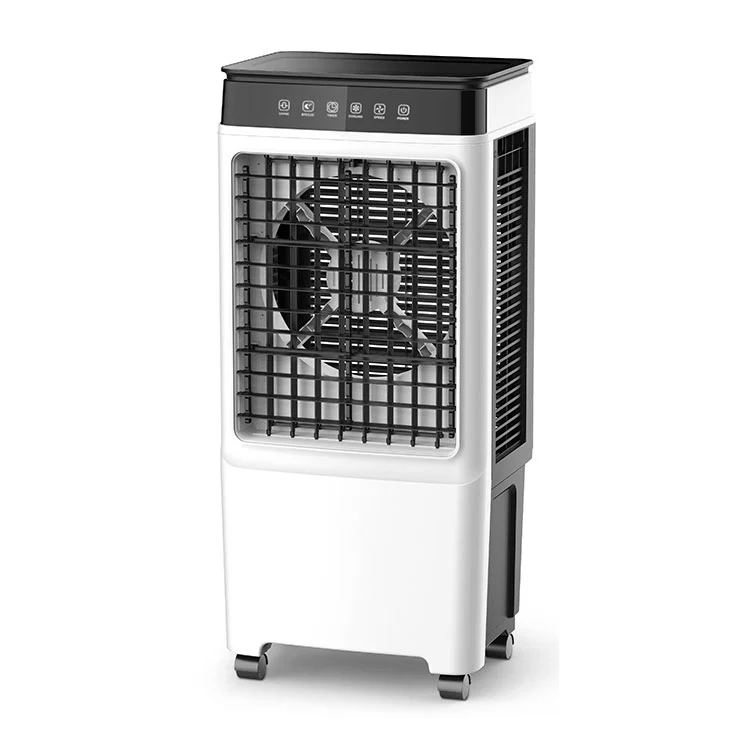
An Industrial Mobile Compact Evaporative Air Cooler is a cooling appliance designed to provide localized or area-based cooling through evaporative technology. It typically integrates a fan, water circulation system, evaporative cooling media, and a housing designed to direct airflow toward the target area.
Unlike permanently installed cooling systems, a mobile model can be repositioned according to changing workplace requirements. This makes it particularly useful for facilities where employees, production activities, or temporary workstations move between different locations.
Draws ambient air through the cooling system and distributes conditioned air toward the occupied area.
Stores the water required for the evaporative cooling process. Tank capacity influences refill frequency.
Provides a large wet surface that allows water to evaporate and absorb heat from the passing air.
Make it easier to reposition the unit between workstations, production areas, and temporary cooling locations.
A compact design does not necessarily mean limited practical value. The right equipment can provide targeted cooling in areas where installing a permanent system would be inconvenient or uneconomical.
However, buyers should distinguish between compact industrial equipment and large-capacity industrial coolers. Their airflow, tank capacity, cooling coverage, and intended applications may be significantly different.
Evaporative cooling is based on a natural physical process: when water changes from liquid into vapor, it absorbs heat from its surroundings. An evaporative air cooler uses this principle to lower the temperature of incoming air before distributing it into the working environment.
The effectiveness of this process depends heavily on the relationship between temperature and relative humidity. Dry air has a greater capacity to absorb additional moisture, generally allowing more effective evaporative cooling.
In humid environments, the difference between the dry-bulb temperature and wet-bulb temperature is smaller. Consequently, evaporative cooling performance decreases as humidity increases.
Evaporative air coolers are generally most effective in hot, dry, and well-ventilated environments. They add moisture to the air, so adequate air exchange is important. They should not be treated as direct replacements for refrigerated air conditioning in every climate or enclosed space.
For businesses that need flexible cooling rather than a permanent centralized installation, mobile evaporative air coolers offer several operational advantages.
One of the most noticeable benefits is mobility. A wheeled cooling unit can be moved closer to a workstation, production area, or temporary assembly station when cooling demand changes.
This flexibility is valuable for factories with multiple work zones, seasonal operations, and changing production layouts. Instead of installing separate cooling equipment at every location, businesses can use mobile units to provide cooling where it is needed.
Not every facility has sufficient floor space for bulky cooling equipment. A compact cooler can be easier to position in smaller workshops, maintenance areas, retail backrooms, and other locations where space is limited.
Its smaller footprint may also simplify storage when the cooling season ends.
Conventional evaporative coolers generally rely on a fan and water pump rather than a compressor-based refrigeration cycle. This can result in lower electricity consumption than conventional air conditioning, although actual savings depend on equipment specifications, operating hours, and cooling requirements.
Buyers should compare rated power consumption and expected operating conditions instead of assuming that every evaporative cooler has the same efficiency.
Cooling is more useful when conditioned air reaches the people and workstations that need it. A suitable airflow design can help distribute cooler air across a designated working area and reduce uncomfortable stagnant conditions.
Many evaporative cooling systems use relatively simple operating components. Basic tasks such as checking water levels, cleaning the water tank, and maintaining cooling pads can help keep the equipment in good working condition.
The best application depends on the cooler's airflow capacity, cooling performance, dimensions, and environmental requirements. Mobile evaporative coolers are particularly useful when businesses need flexible cooling in specific areas instead of uniform temperature control throughout an entire building.
Production workshops often contain machinery, equipment, and multiple workstations that generate or accumulate heat. A mobile cooler can be positioned near suitable work areas to provide localized airflow and improve employee comfort.
Warehouses may experience temperature variations because of large doors, frequent loading activities, and limited air conditioning coverage. Mobile cooling equipment can provide additional airflow in packing stations, sorting areas, and employee work zones.
Maintenance teams frequently work in different locations throughout a facility. A mobile cooler allows cooling support to follow changing maintenance activities without requiring a permanent installation at every workstation.
Depending on the model and environmental conditions, compact evaporative coolers may also be suitable for service areas, temporary workspaces, covered commercial spaces, and other locations requiring supplementary cooling.
| Application | Typical Cooling Requirement | Important Consideration |
|---|---|---|
| Manufacturing workshop | Localized cooling around workstations | Heat sources and airflow distribution |
| Warehouse | Flexible cooling for selected work zones | Air exchange and floor area |
| Maintenance area | Movable cooling support | Portability and repositioning |
| Commercial facility | Supplementary air movement and cooling | Indoor humidity and ventilation |
| Temporary workspace | Convenient, non-permanent cooling | Power supply and water access |
Selecting the right Industrial Mobile Compact Evaporative Air Cooler requires more than comparing product appearance or purchase prices. B2B buyers should evaluate the technical specifications that directly affect cooling performance, operating convenience, and long-term ownership costs.
Airflow capacity, usually expressed in cubic meters per hour (m³/h), indicates the volume of air a cooler can move. Higher airflow may help serve larger or more demanding areas, but it does not automatically guarantee better cooling.
Buyers should also consider air outlet design, air delivery distance, fan speed settings, and whether the airflow can reach the intended workstations.
Water tank capacity affects how long the cooler can operate before refilling. A larger tank may reduce the frequency of manual water replenishment, particularly during extended working shifts.
However, the actual operating duration also depends on evaporation rate, ambient temperature, humidity, and operating settings.
Industrial users should check wheel quality, braking mechanisms, housing strength, handles, and overall dimensions. Smooth movement is important when equipment needs to travel across different work areas.
Rated power provides a useful starting point for calculating electricity expenses. To estimate operating costs, use the following formula:
Energy Consumption (kWh) = Rated Power (kW) × Operating Hours
For example, a hypothetical 0.2 kW unit operating for 8 hours consumes approximately 1.6 kWh, assuming it runs continuously at its rated power.
Noise can influence employee comfort, particularly in workplaces where communication is important. Buyers should review the manufacturer's measured noise specifications and consider whether multiple fan speeds, remote controls, timers, or automatic oscillation are available.
Easily accessible water tanks, cooling pads, and internal components can simplify cleaning and routine maintenance. A practical design can reduce the time required for daily servicing.
Different cooling technologies solve different problems. An evaporative cooler is not universally better than an air conditioner or industrial fan. The correct choice depends on the working environment, required temperature control, installation budget, and ventilation conditions.
| Comparison | Evaporative Air Cooler | Traditional Fan | Air Conditioner |
|---|---|---|---|
| Cooling principle | Water evaporation | Air circulation | Refrigeration cycle |
| Air temperature reduction | Yes, under suitable conditions | No active cooling | Yes |
| Humidity effect | Increases humidity | Generally no direct moisture addition | Usually removes indoor moisture |
| Installation | Generally simple for mobile units | Generally simple | May require professional installation |
| Mobility | Available in mobile designs | Depends on model | Usually limited for fixed systems |
| Ideal environment | Hot, dry, ventilated areas | Areas requiring air movement | Areas requiring controlled temperatures |
For businesses operating in dry climates with open or well-ventilated spaces, evaporative cooling can provide an attractive balance between cooling performance and operating expenses.
In humid climates or enclosed environments requiring precise temperature and humidity control, conventional air conditioning may be more appropriate.
Even a well-designed cooling unit may deliver disappointing results if it is incorrectly positioned or operated under unsuitable conditions. Following a few practical guidelines can improve the effectiveness of mobile evaporative cooling.
Place the cooler where it can draw in fresh ambient air without obstruction. Avoid positioning its air intake directly against walls, equipment, or materials that restrict circulation.
Evaporative coolers introduce moisture into the air. Providing an appropriate air outlet, such as an open door or window, helps prevent excessive indoor humidity and supports continuous air exchange.
Position the unit to deliver airflow toward employees or designated workstations. If the equipment includes oscillation, use it to distribute airflow across the intended area.
Cooling performance changes with temperature and relative humidity. During humid weather, expectations should be adjusted because evaporative cooling becomes less effective.
Water containing excessive minerals or impurities can contribute to deposits and affect cooling system cleanliness. Follow the manufacturer's water quality recommendations and cleaning instructions.
Before purchasing multiple units, test one cooler in the intended working environment. Measure the temperature and humidity near the unit and at representative employee positions. This provides more useful purchasing information than relying exclusively on advertised cooling claims.
Routine maintenance is essential for maintaining airflow, water circulation, and hygienic operating conditions. Although evaporative cooling equipment generally has a relatively straightforward structure, neglecting maintenance can lead to reduced performance, unpleasant odors, and premature component wear.
Always disconnect the power supply before cleaning or performing maintenance. Follow the manufacturer's operating manual, especially when handling electrical components or internal water circulation parts.
For importers, distributors, wholesalers, and commercial equipment buyers, purchasing decisions should consider more than the specifications of a single unit. Product consistency, supplier capabilities, customization options, and after-sales support can influence the success of an entire product line.
Request a detailed specification sheet covering rated voltage, frequency, power, airflow, water tank capacity, noise level, dimensions, materials, and available control functions.
Make sure the technical configuration matches the electrical standards and operating requirements of the destination market.
A reliable supplier should be able to explain its production processes, quality inspection procedures, product development capabilities, and order management arrangements.
Manufacturing experience is particularly important for buyers planning repeat orders or developing private-label product ranges.
Different markets may require different product appearances, packaging formats, operating functions, and branding arrangements. OEM and ODM cooperation can help importers and distributors develop products that better match their target customers.
Electrical appliance requirements vary by destination market. Buyers should confirm which certifications, test reports, labels, and export documents are available for the specific model they intend to purchase.
The actual cost of importing cooling equipment includes more than the unit price. Consider packaging, transportation, customs duties, spare parts, maintenance, and after-sales service when comparing suppliers.
Choosing an experienced manufacturing partner can make product sourcing more efficient. Cixi Jianhui Electrical Technology Co., Ltd. focuses on the development and production of seasonal electrical appliances, including electric fans, evaporative air coolers, and heating products.
Established in 2009, the company has developed manufacturing capabilities supported by multiple production workshops, more than 30 production lines, and an established product development team. Its product portfolio serves different cooling requirements, from personal air coolers to industrial cooling equipment.
For overseas wholesalers, distributors, and brand owners, the company offers experience in OEM and ODM cooperation, providing opportunities to discuss product configurations, branding, and packaging requirements.
Buyers interested in industrial cooling solutions can explore the company's Industry Air Cooler product range and Air Cooler collection to identify suitable products for their markets.
It is a mobile cooling appliance that uses water evaporation and forced airflow to reduce incoming air temperature under suitable environmental conditions. Its compact design and movable structure make it useful for localized cooling in workshops, warehouses, and commercial facilities.
Not in every situation. Evaporative coolers work best in hot, dry, well-ventilated environments. Traditional air conditioning is generally more suitable for enclosed spaces requiring precise temperature and humidity control.
Many evaporative models consume less electricity than conventional compressor-based air conditioning because they primarily use a fan and water pump. Actual consumption depends on rated power, operating settings, and daily usage.
Its performance generally decreases as humidity increases. Because evaporative cooling adds moisture to the air, buyers should evaluate local humidity conditions and ventilation before selecting this type of equipment.
Cleaning frequency depends on water quality, operating hours, and environmental conditions. Regular inspection and cleaning are recommended, and users should follow the maintenance schedule in the product manual.
Yes. Models equipped with suitable wheels can be repositioned as cooling requirements change. Buyers should check wheel construction, braking functions, equipment weight, and floor conditions before purchasing.
Important information includes rated voltage, frequency, power, airflow, tank capacity, evaporation rate, noise level, dimensions, materials, control functions, packaging details, and available certifications.
Some manufacturers offer OEM and ODM services, including product customization, branding, and packaging. Buyers should discuss the available options, minimum order quantities, development schedules, and technical requirements directly with the supplier.
Consider the working area's dimensions, ceiling height, ambient temperature, relative humidity, ventilation, heat sources, and required airflow. A practical on-site test can help verify whether a particular model meets the actual cooling requirement.
Businesses should confirm product specifications, samples, quality inspection procedures, certifications, packaging, lead times, warranty terms, spare parts availability, and shipping arrangements before approving a bulk order.
The right cooling equipment can make a meaningful difference to workplace comfort, operating flexibility, and long-term purchasing costs. Whether you are an importer, wholesaler, distributor, or brand owner, choosing a suitable product and dependable manufacturing partner is an important first step.
Cixi Jianhui Electrical Technology Co., Ltd. is ready to discuss your industrial air cooling requirements, product specifications, and OEM/ODM cooperation opportunities.
Need product details, factory information, or a customized quotation? Contact us today to discuss your project and explore suitable cooling solutions for your target market.
Contact UsCixi Jianhui Electrical Technology Co., Ltd. | Professional Air Cooler Manufacturing Solutions